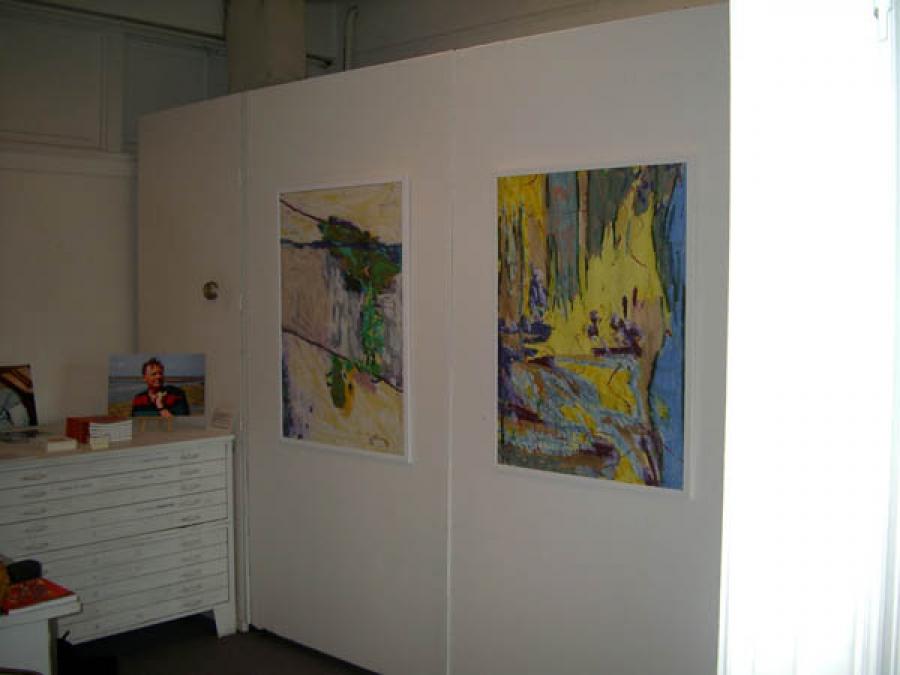
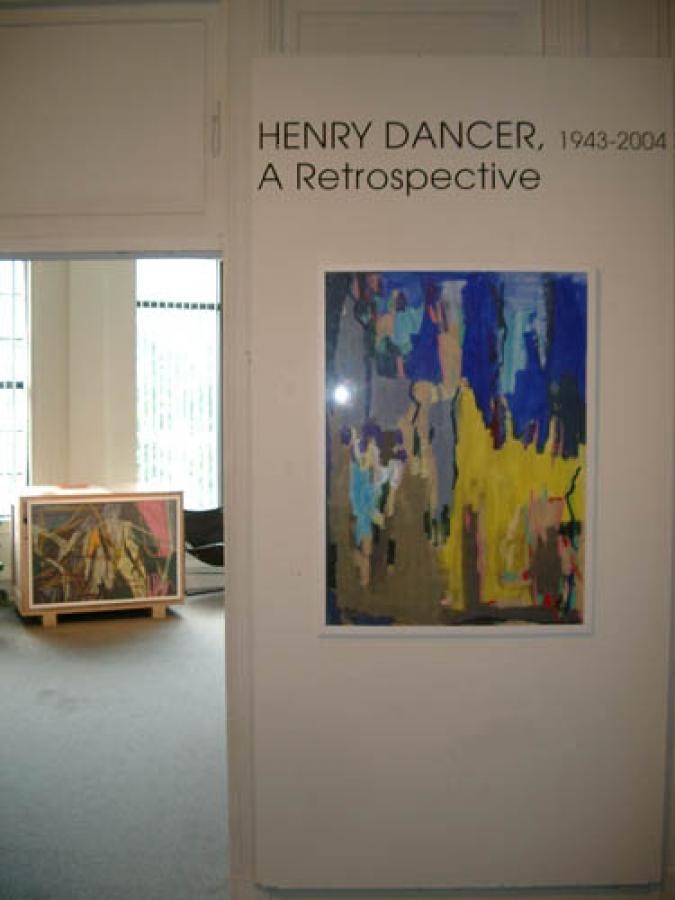
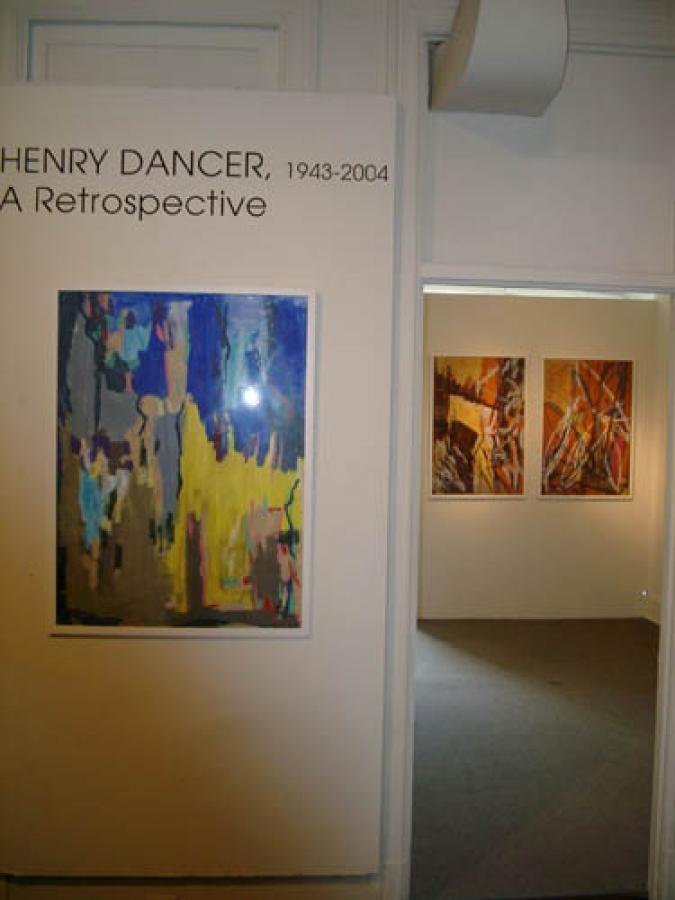
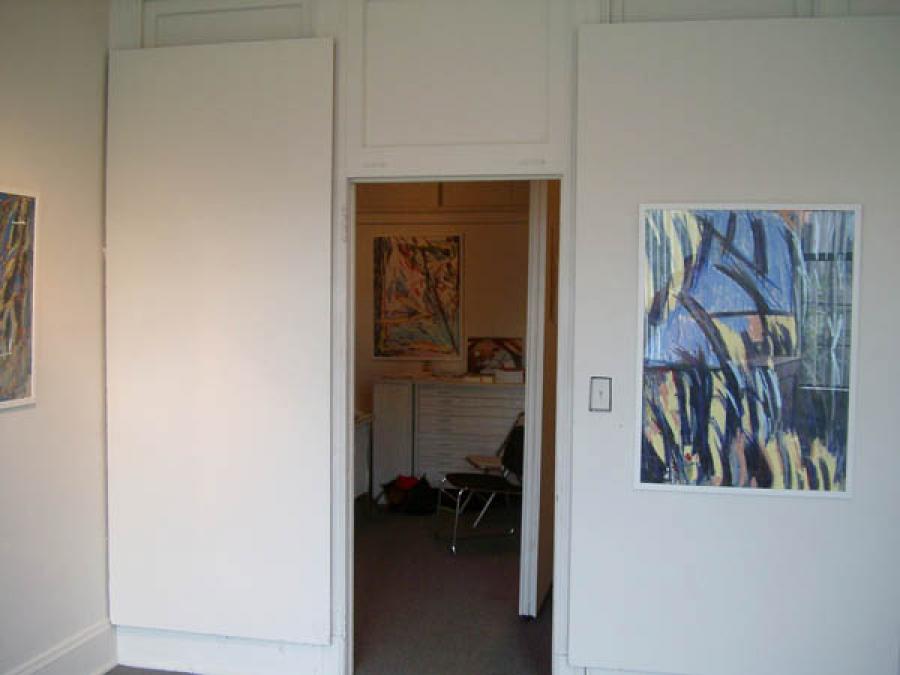
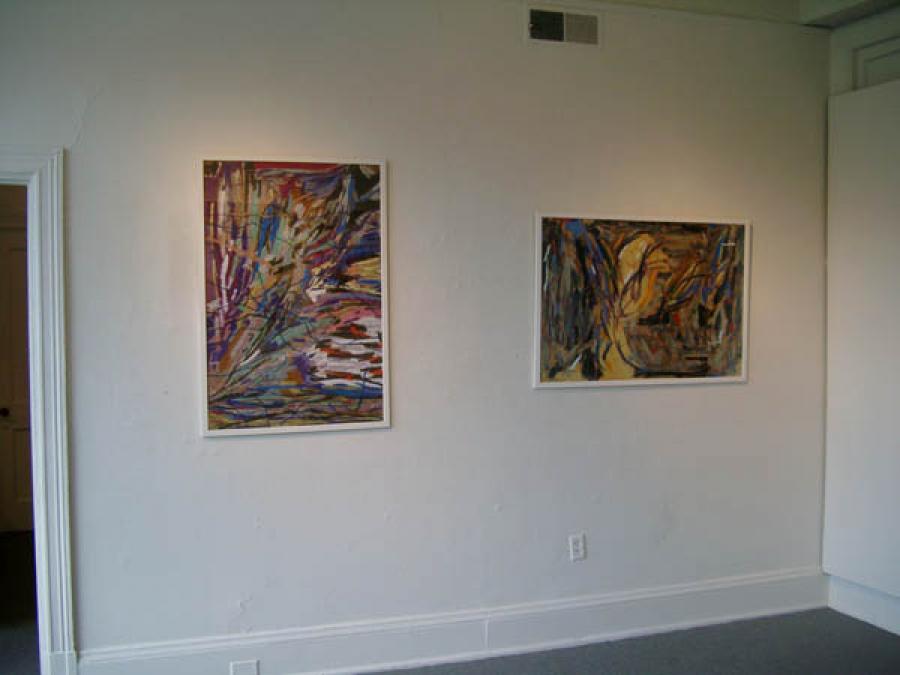
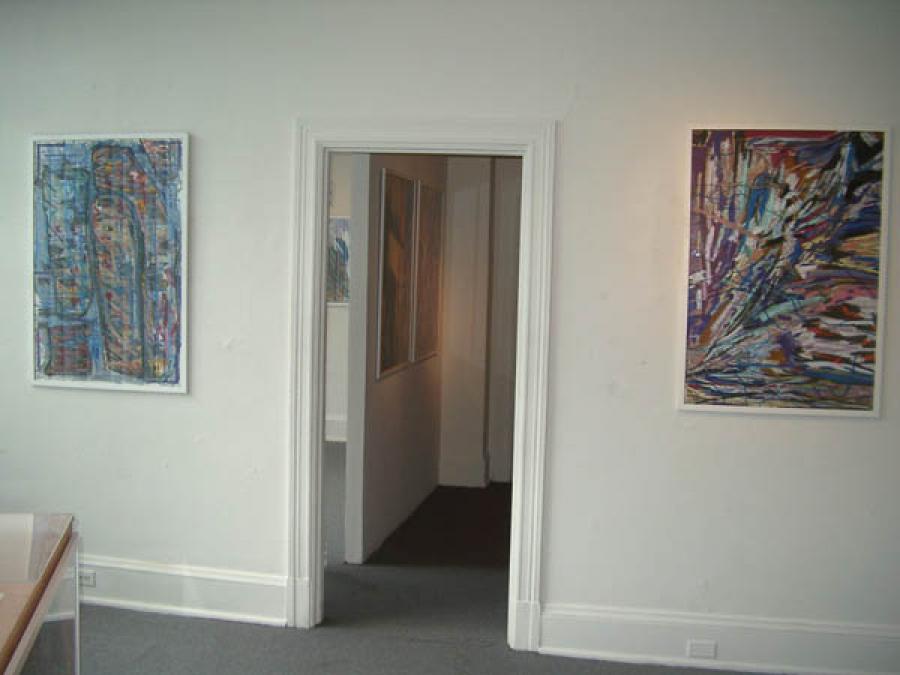
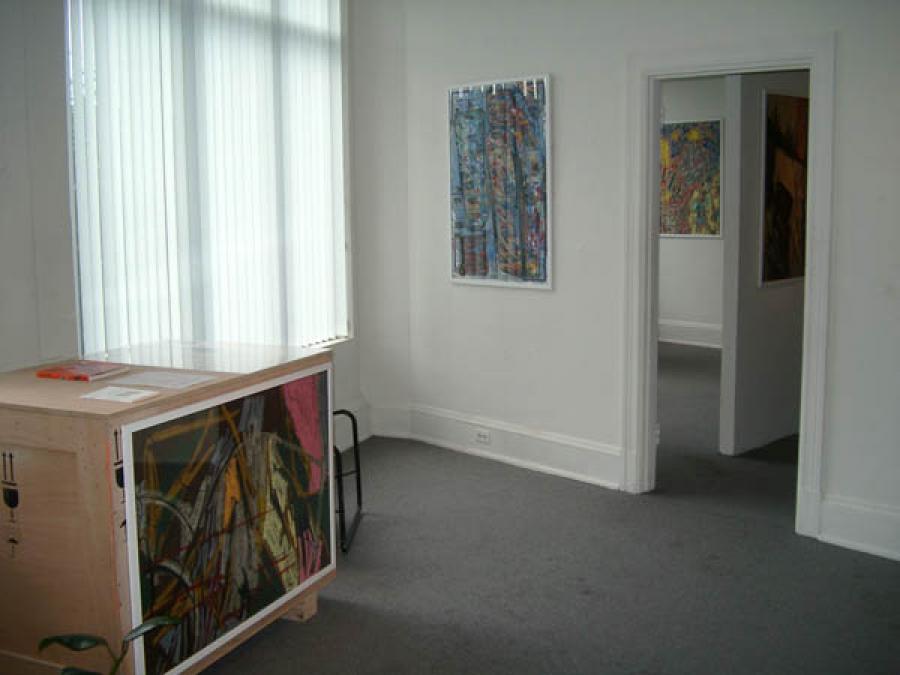
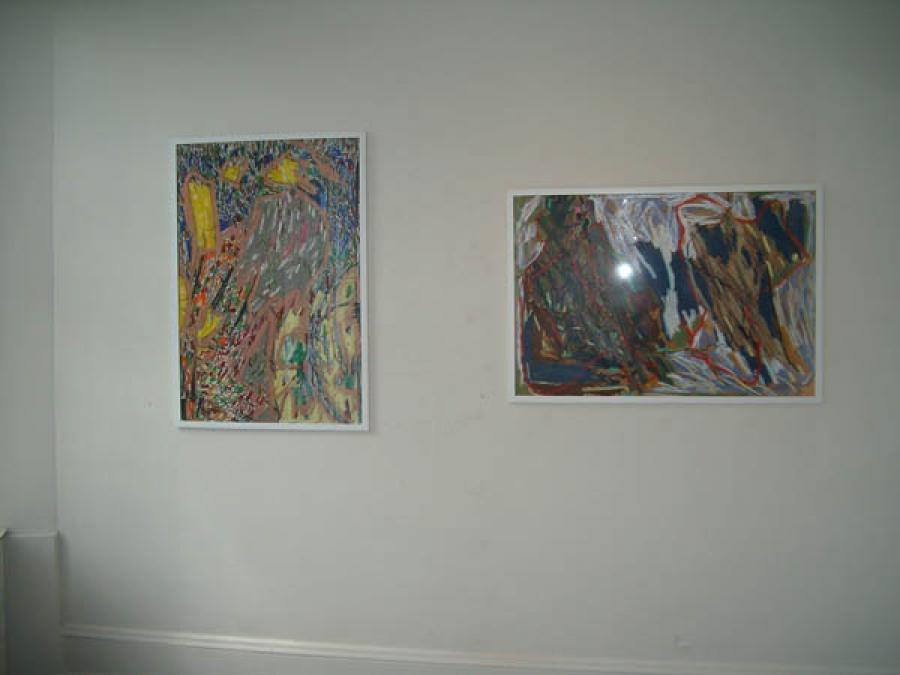
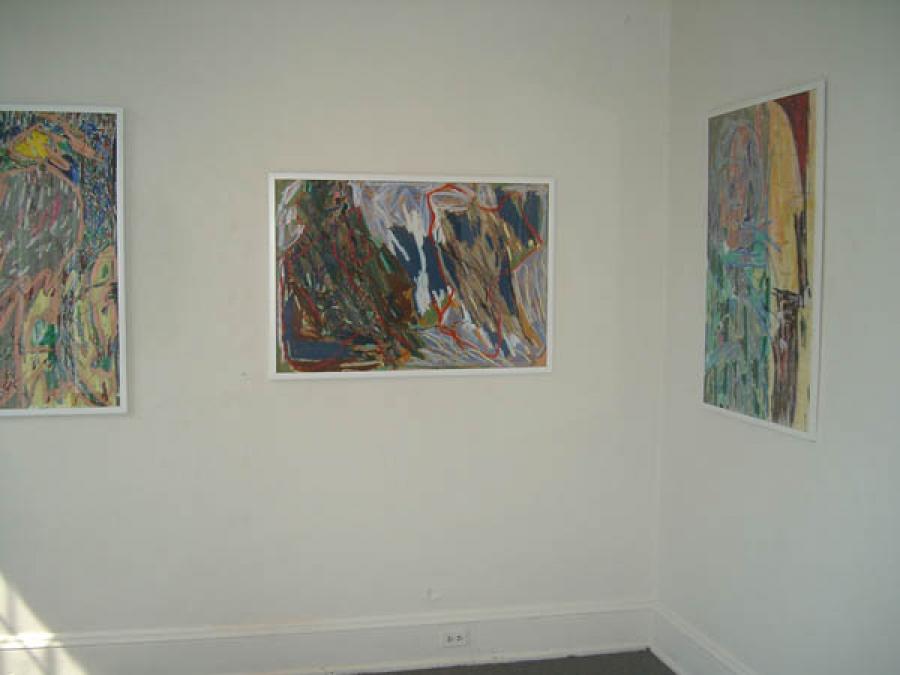
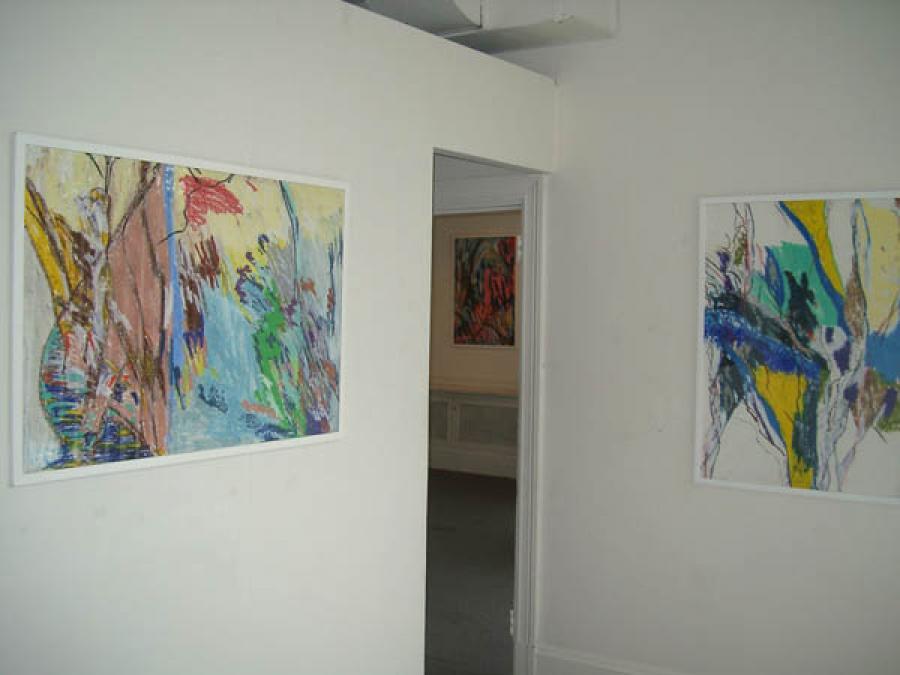
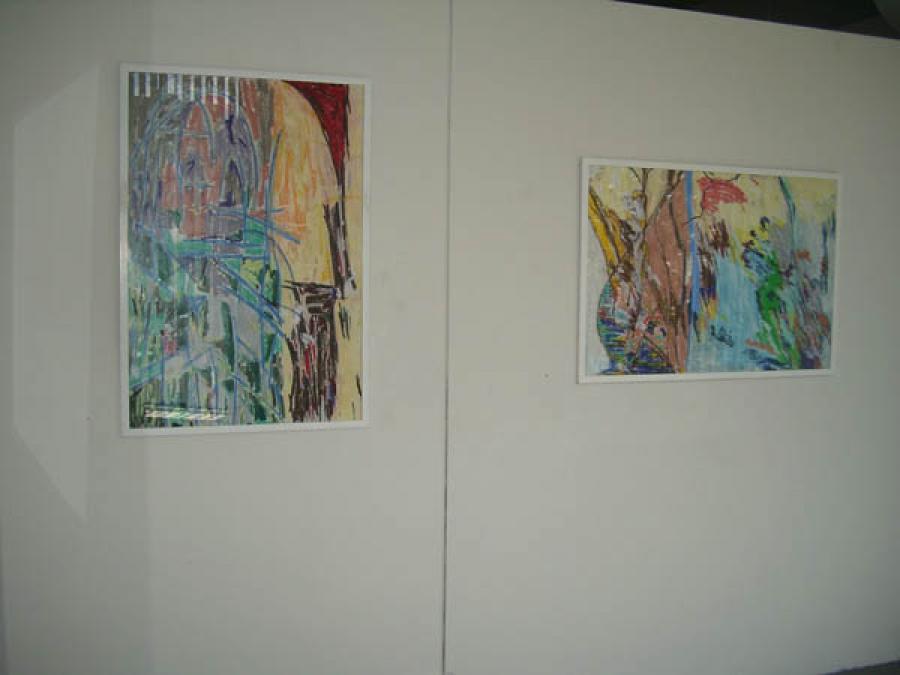
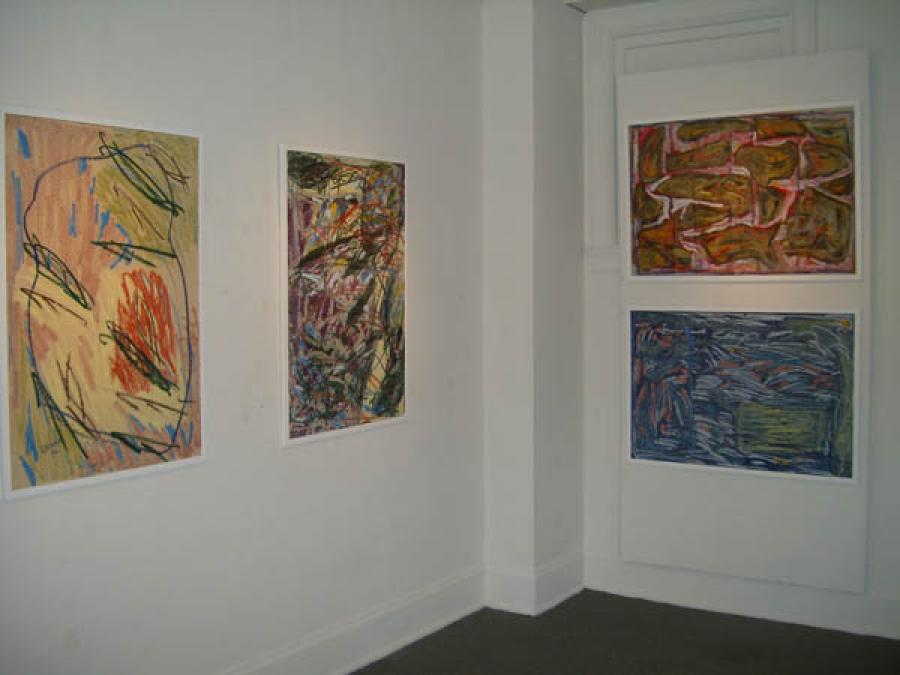
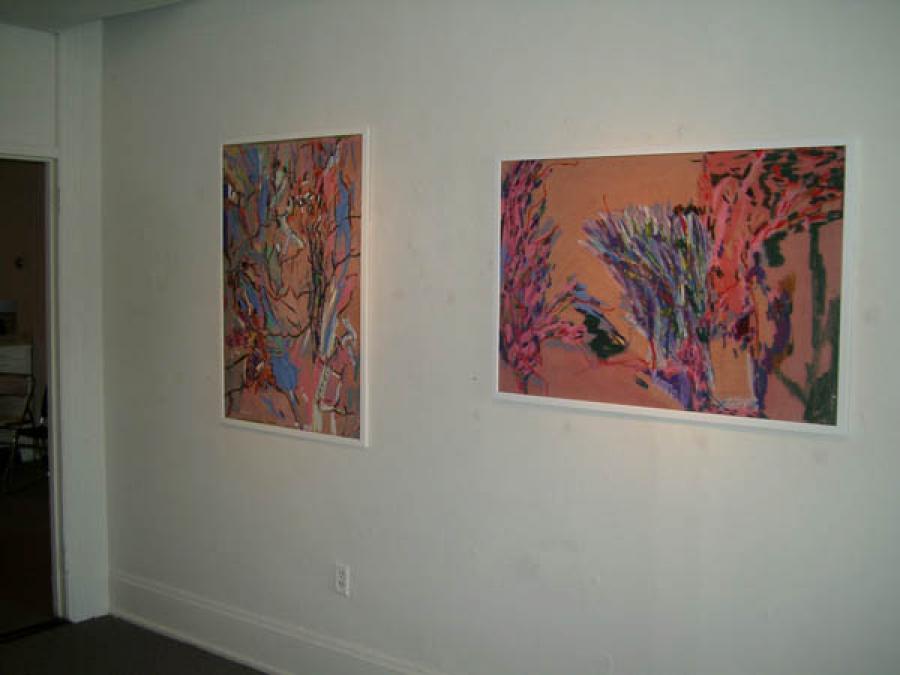
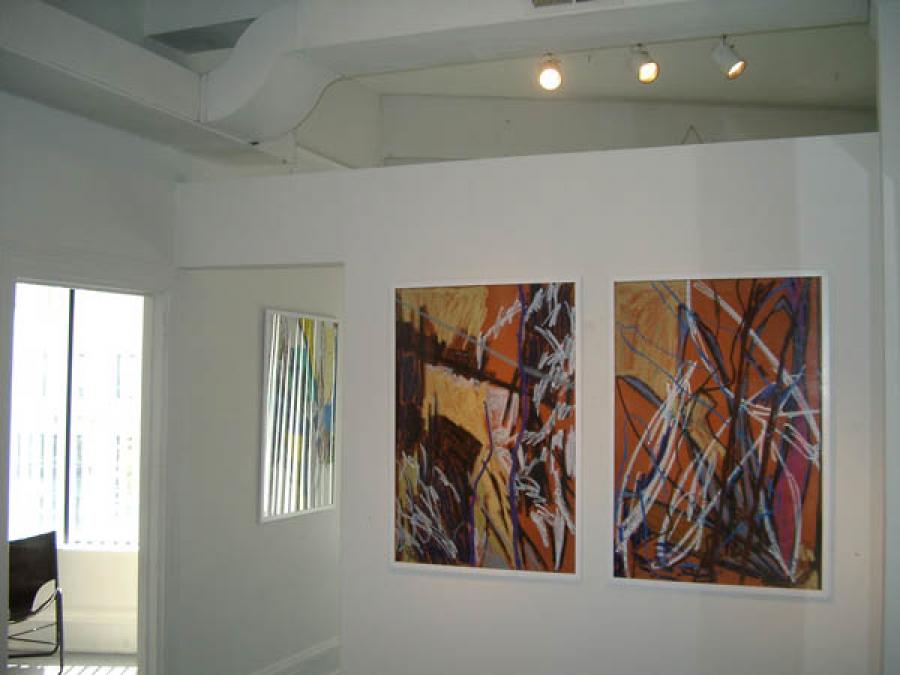
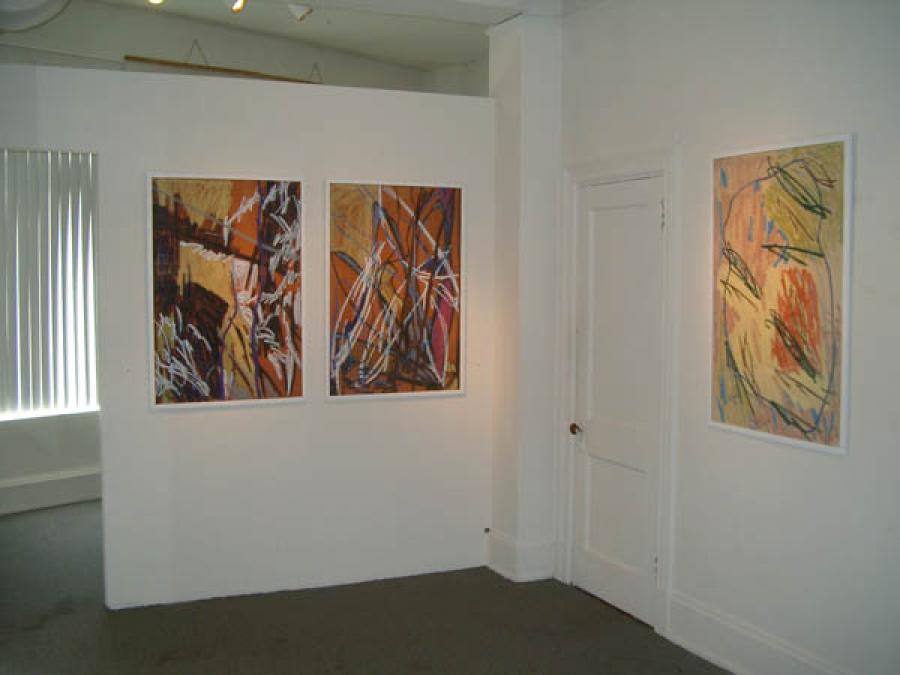
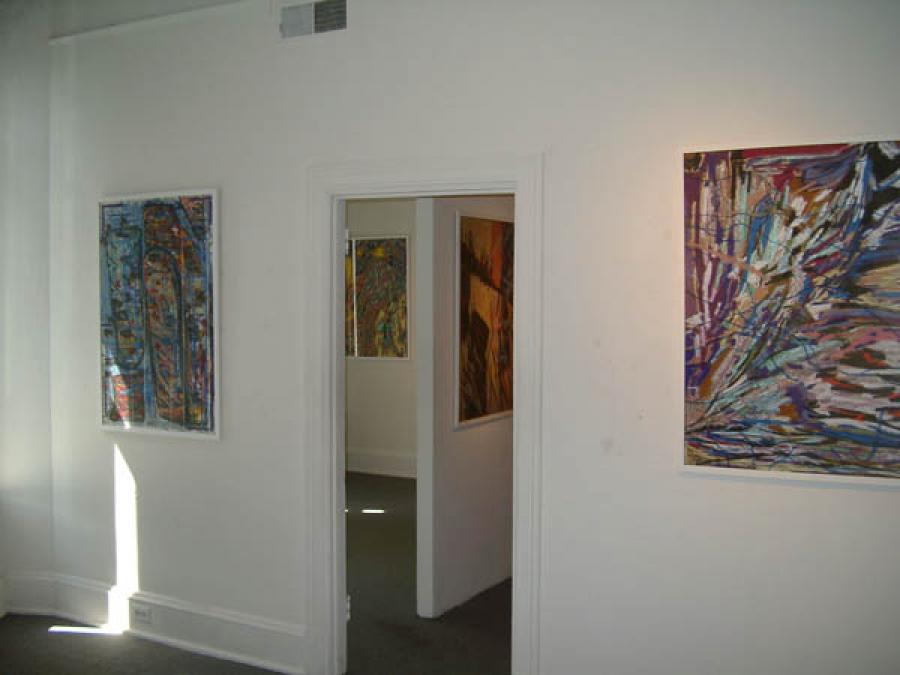
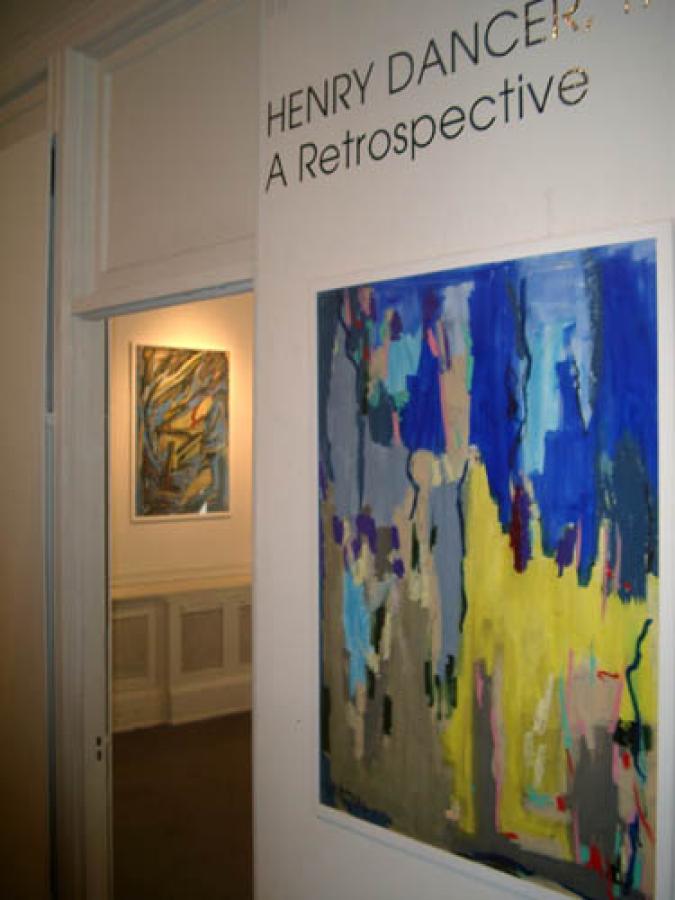
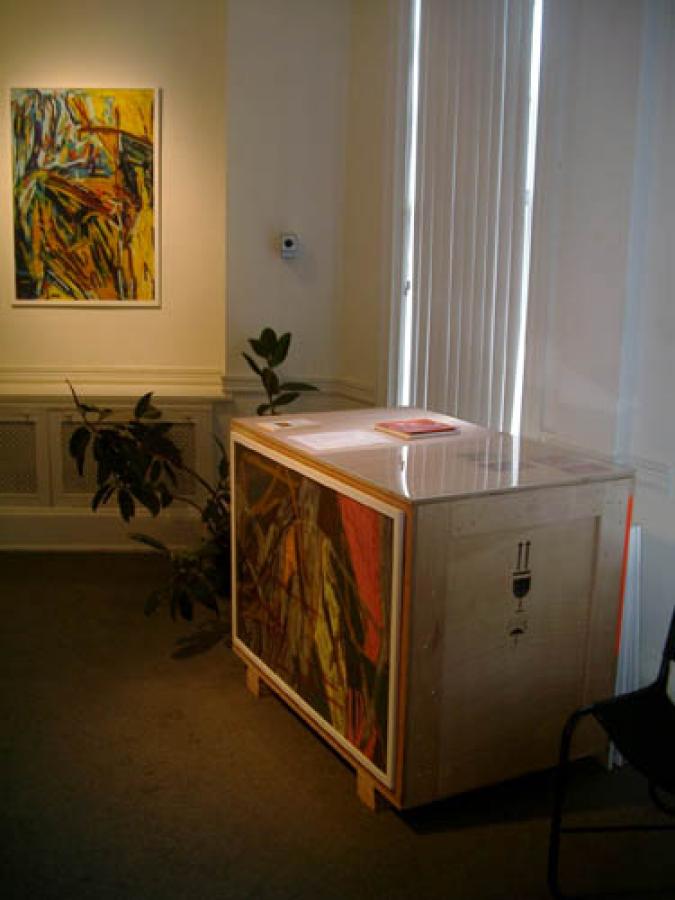
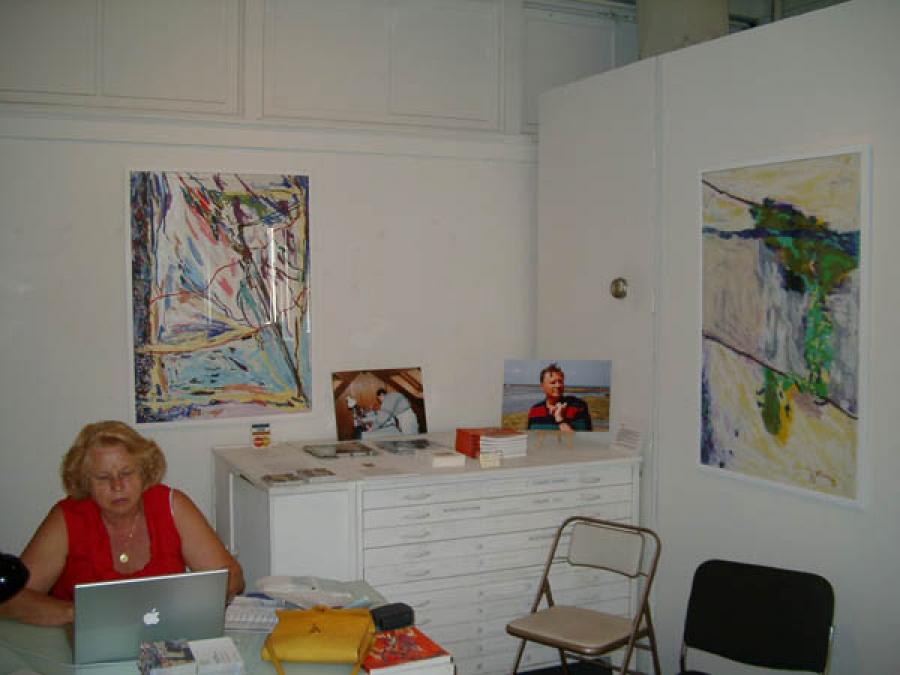
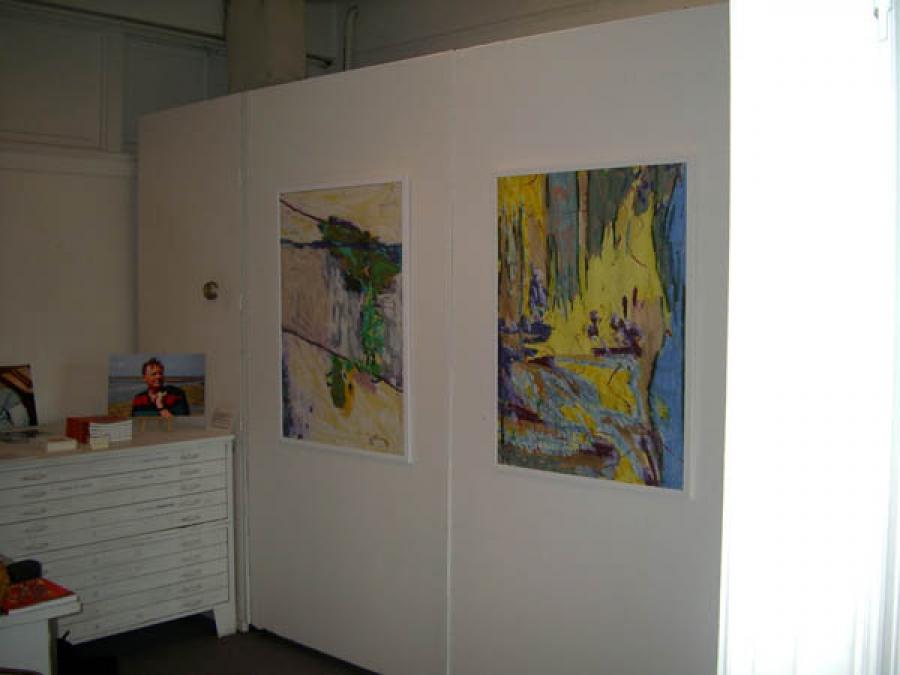
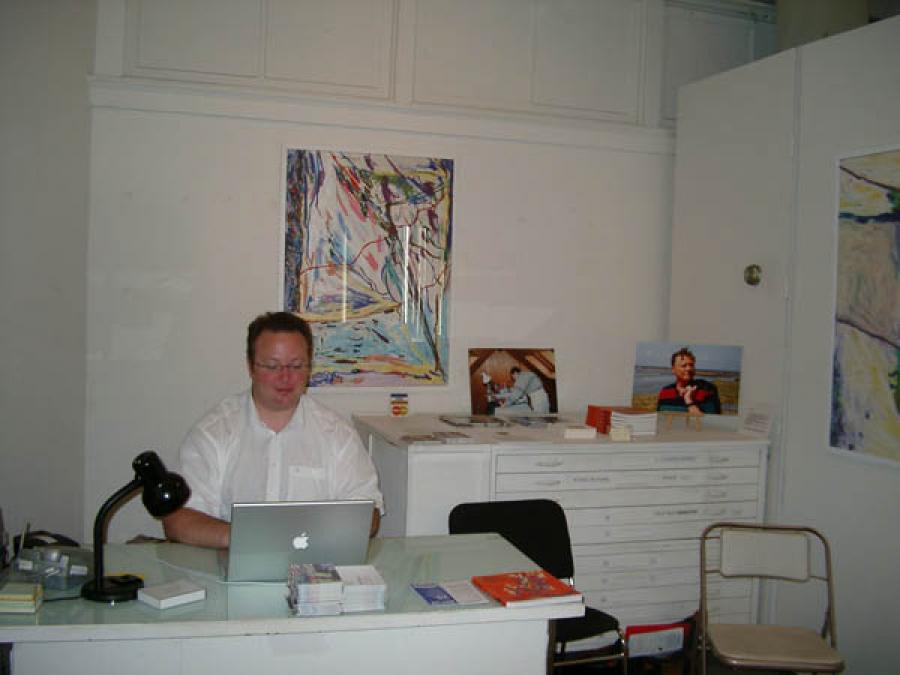
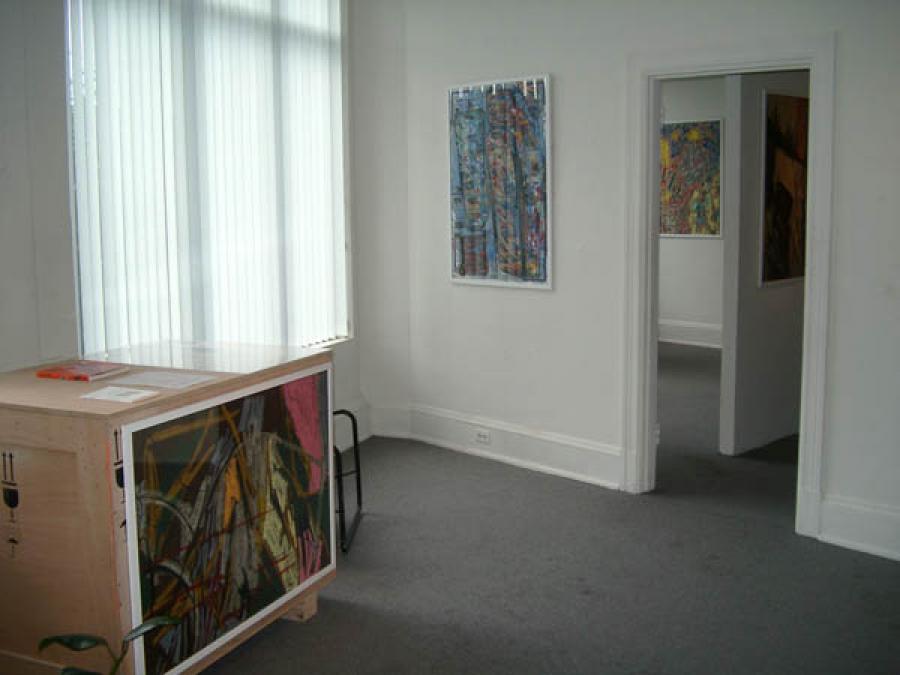
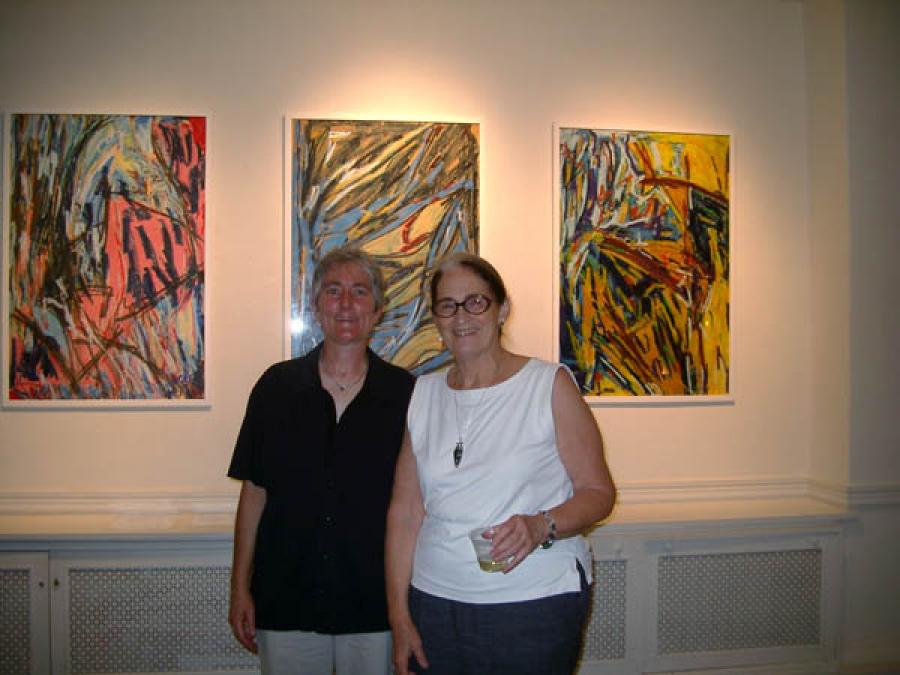
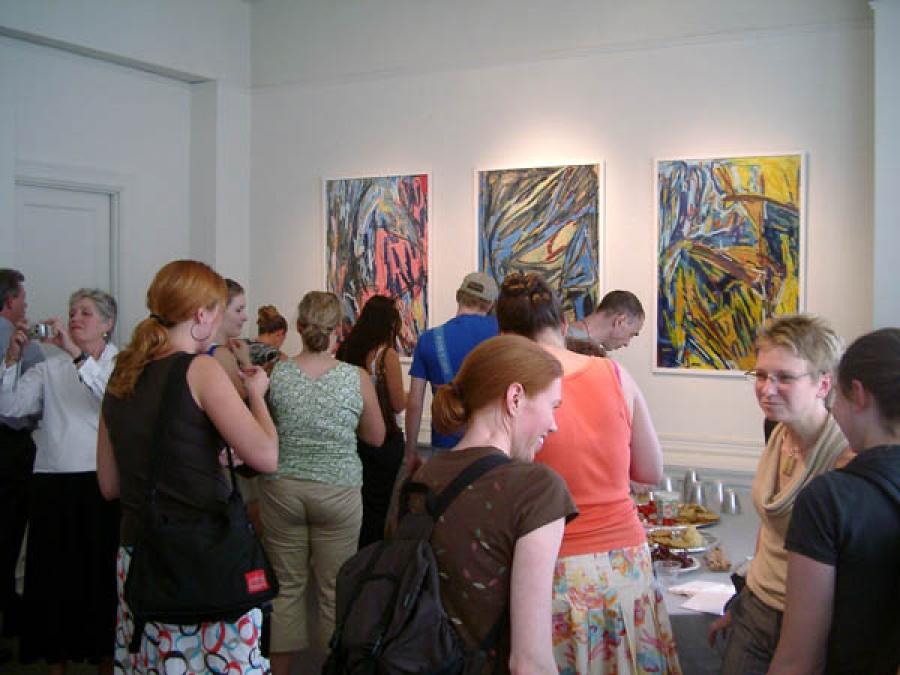
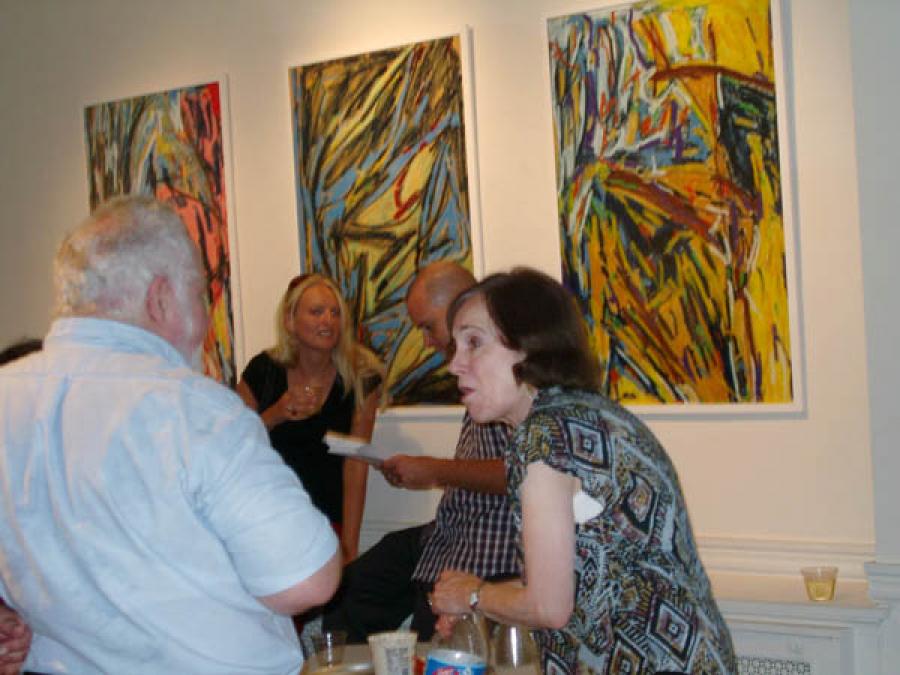
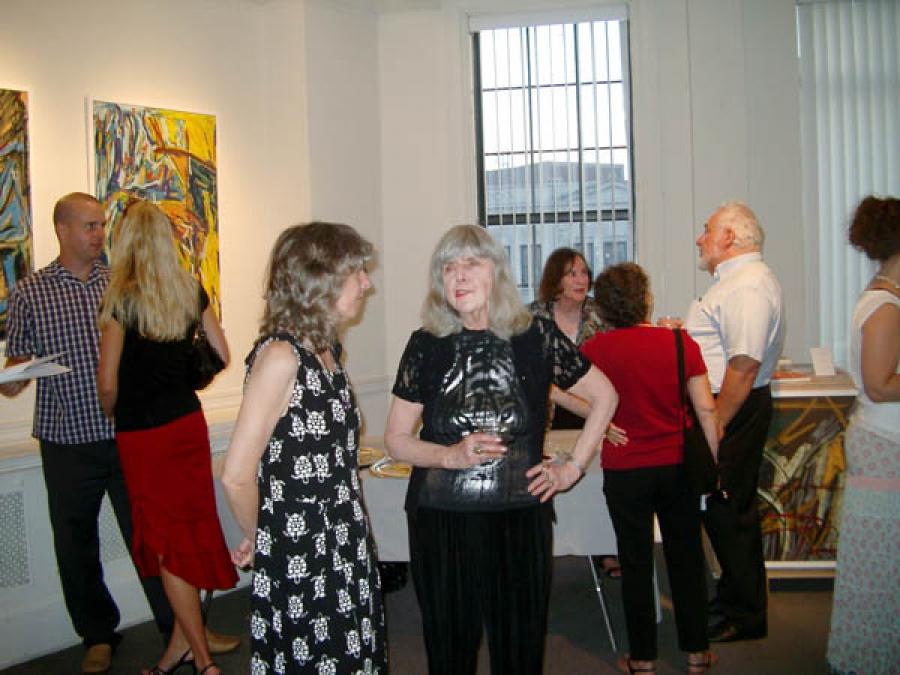
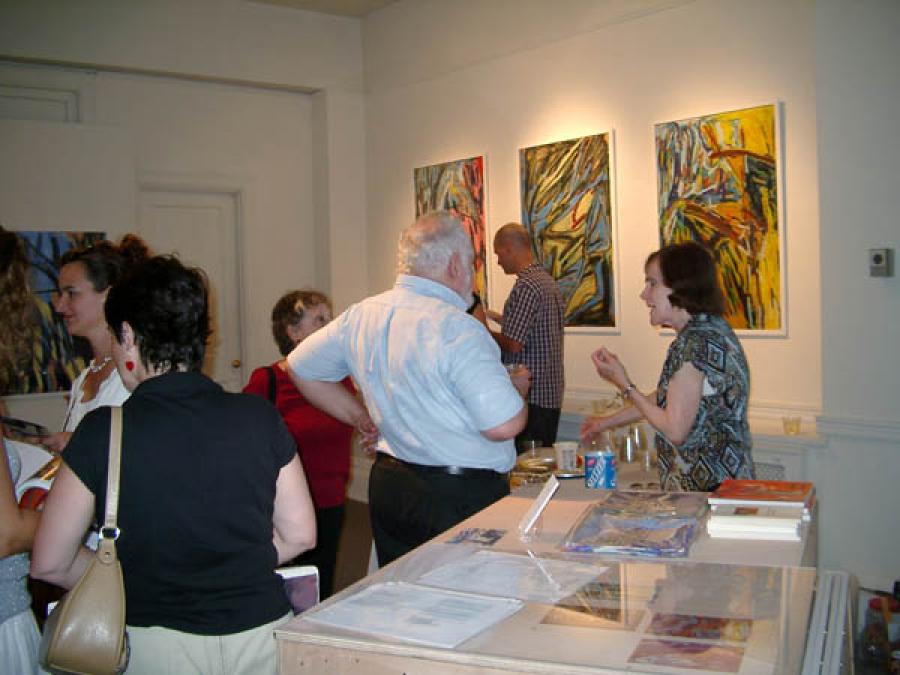
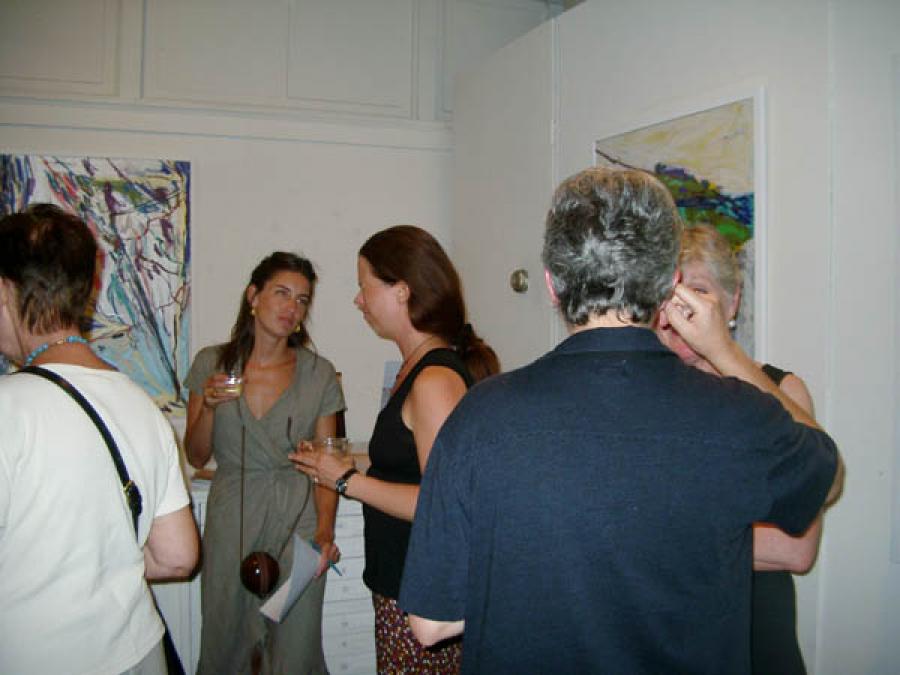
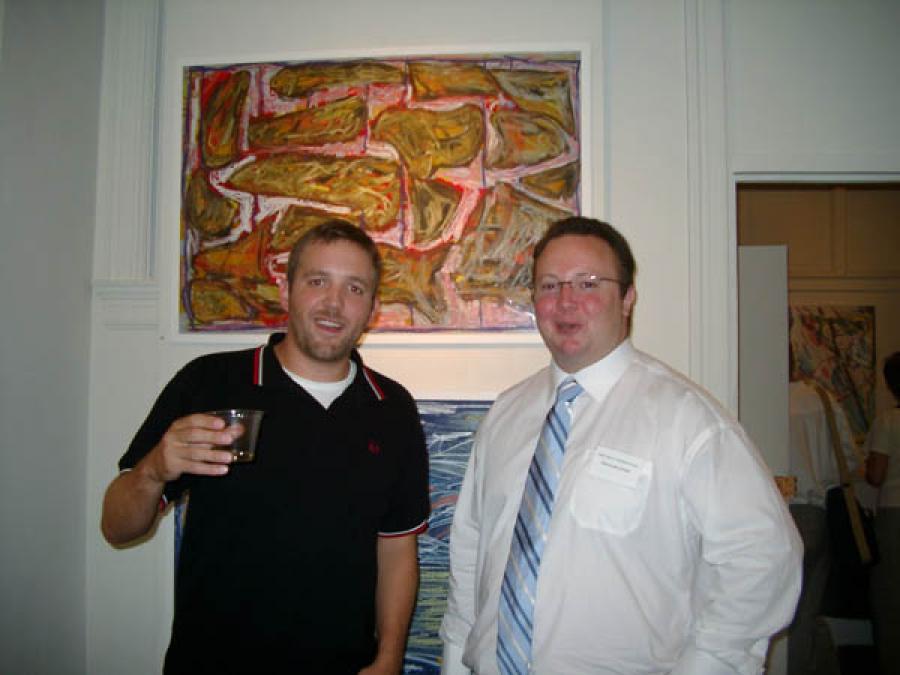
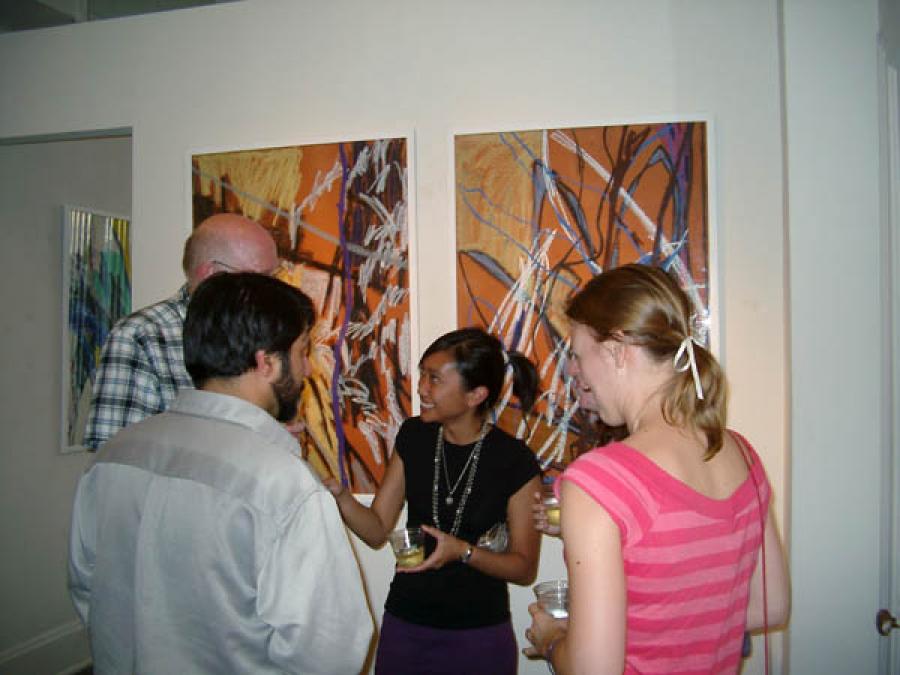
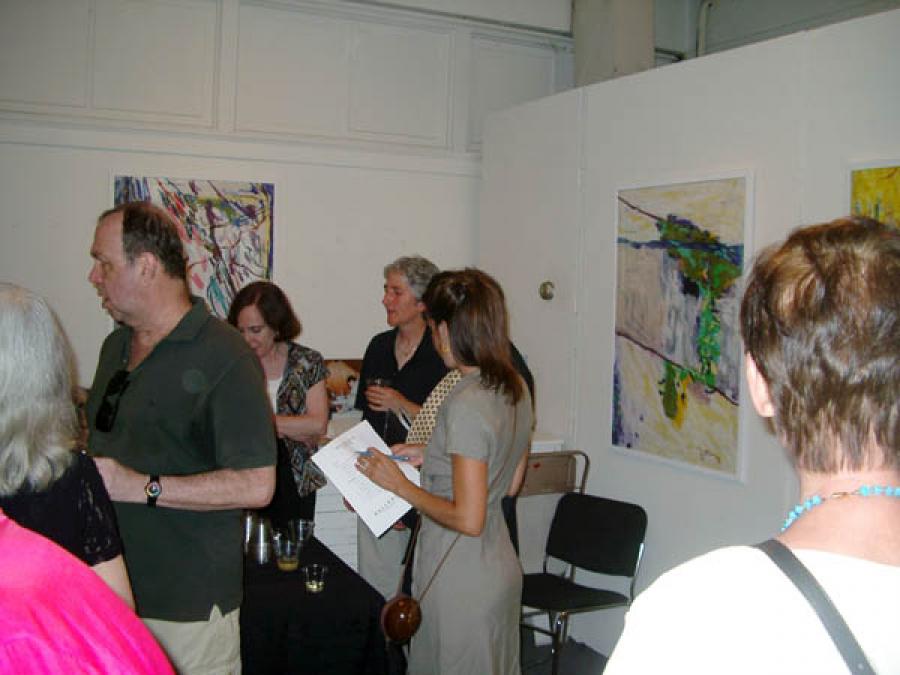
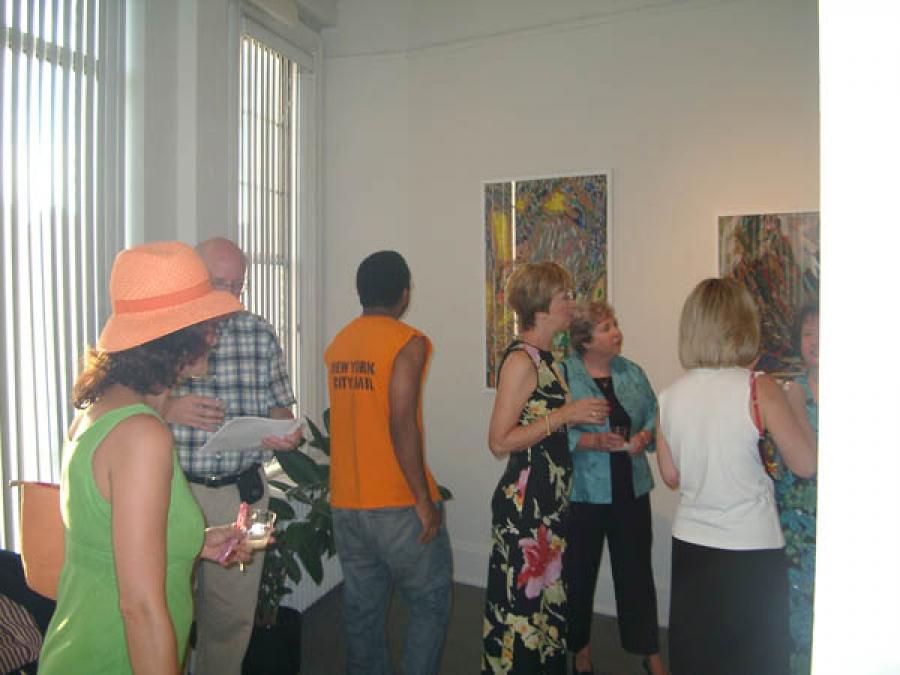
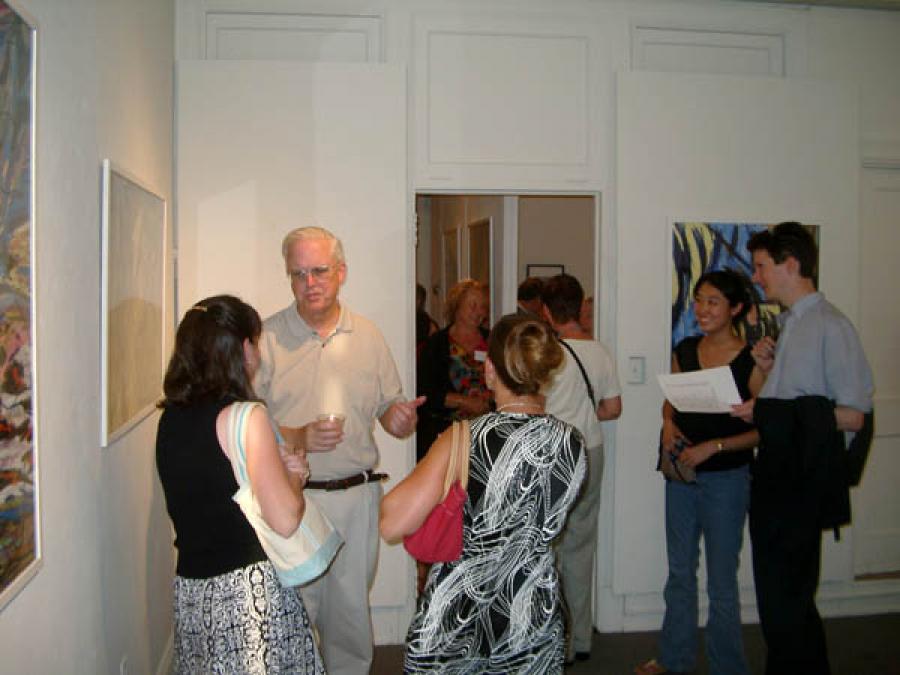
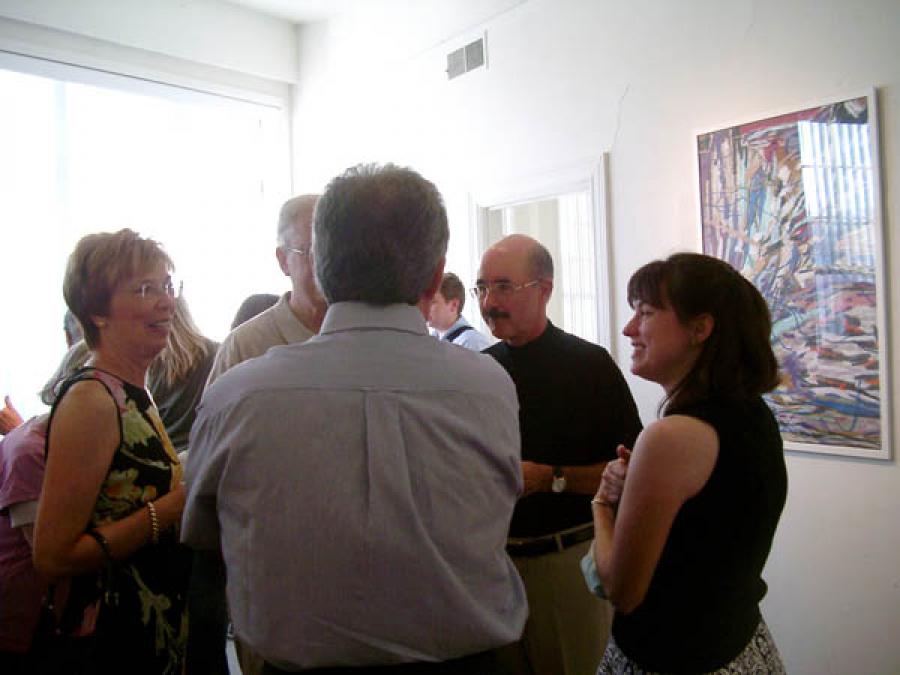
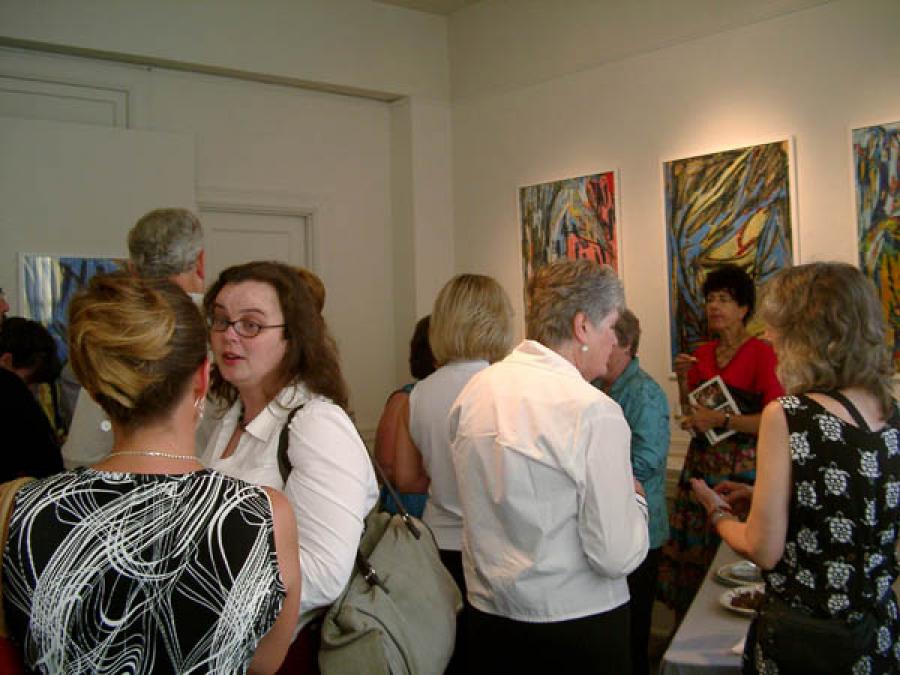
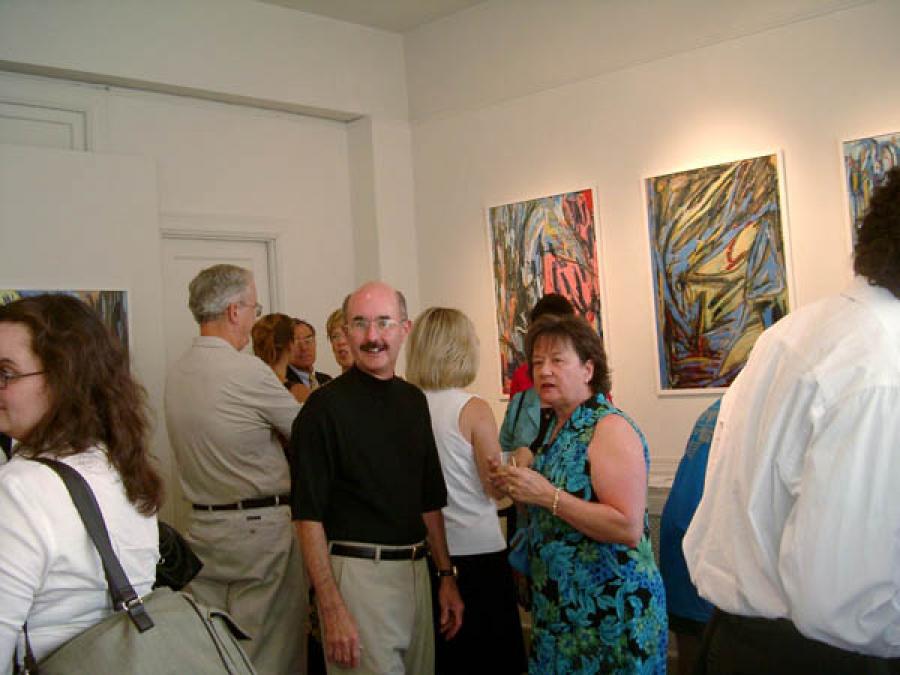
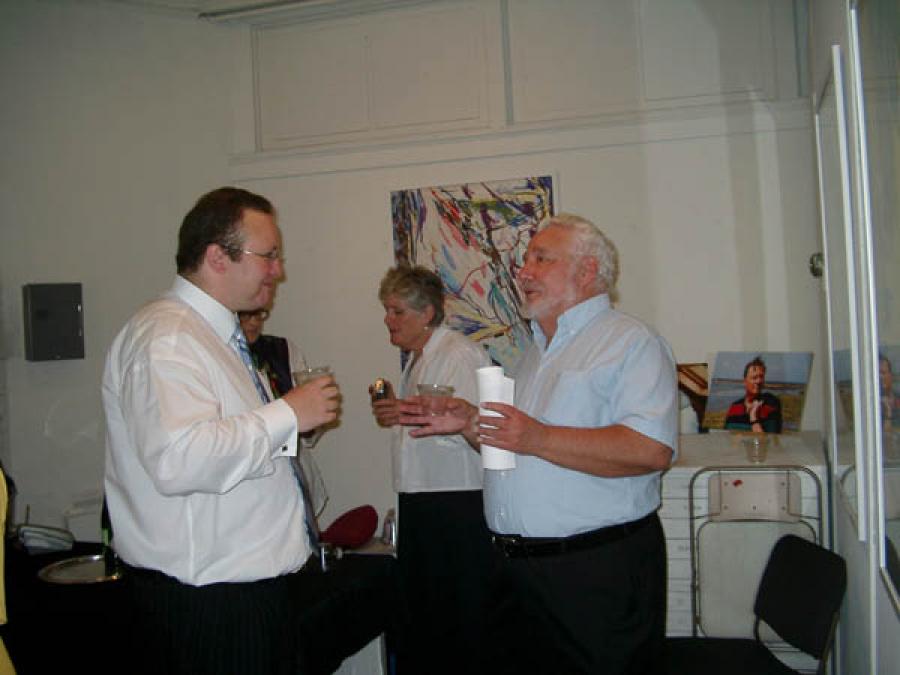
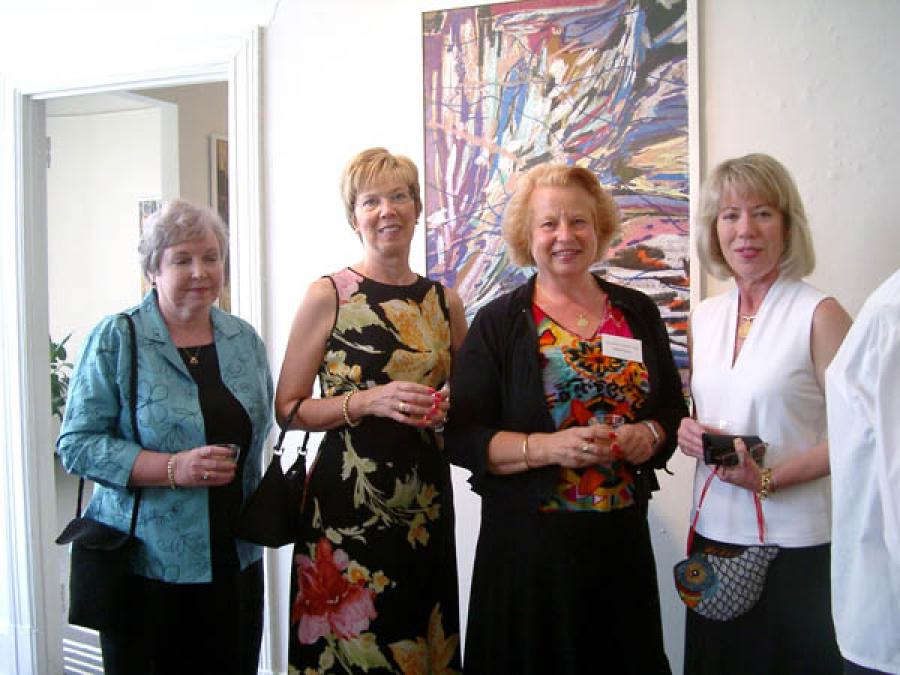
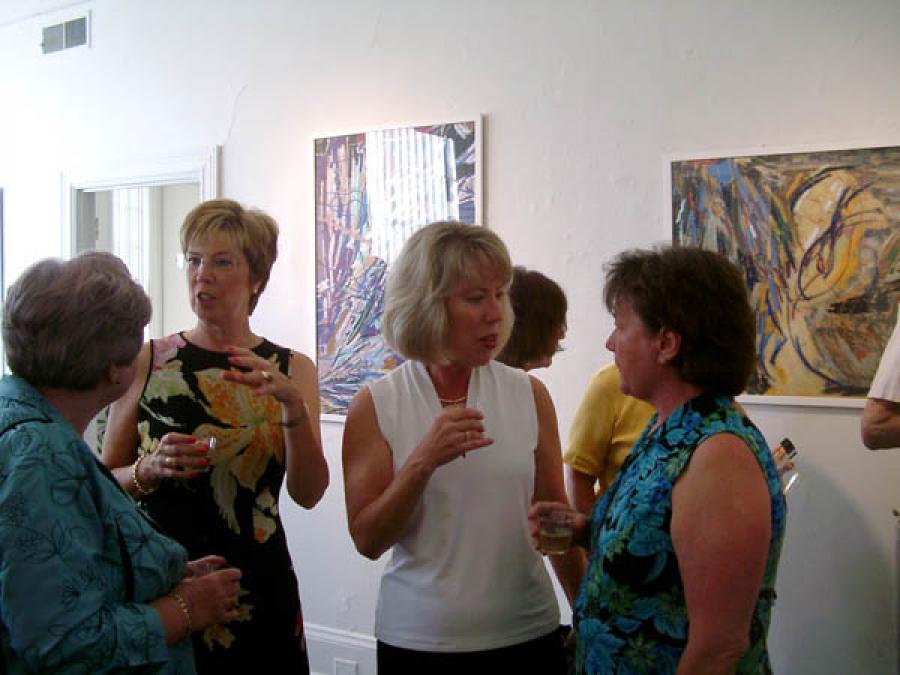
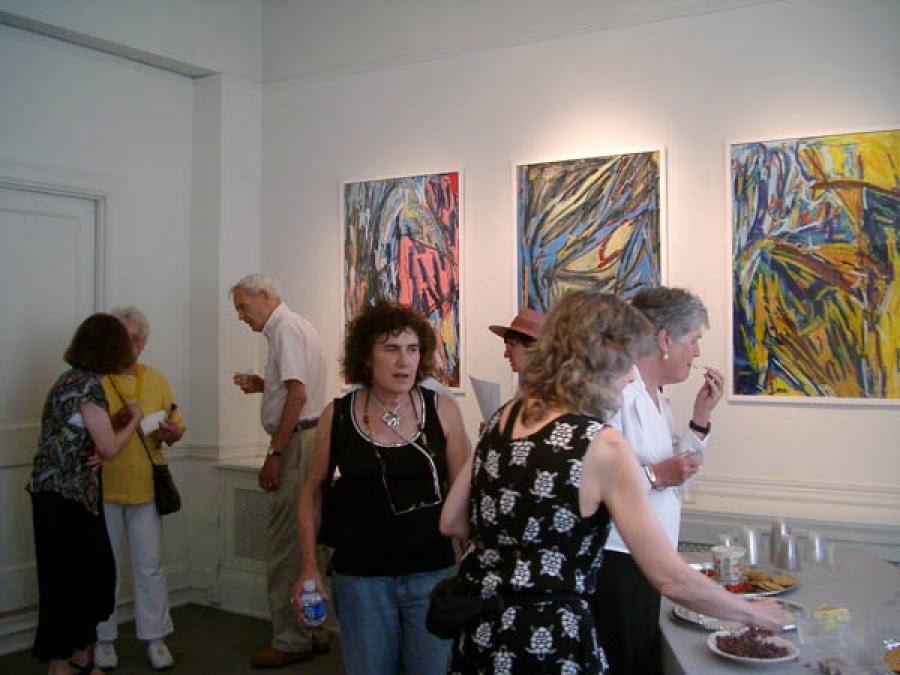
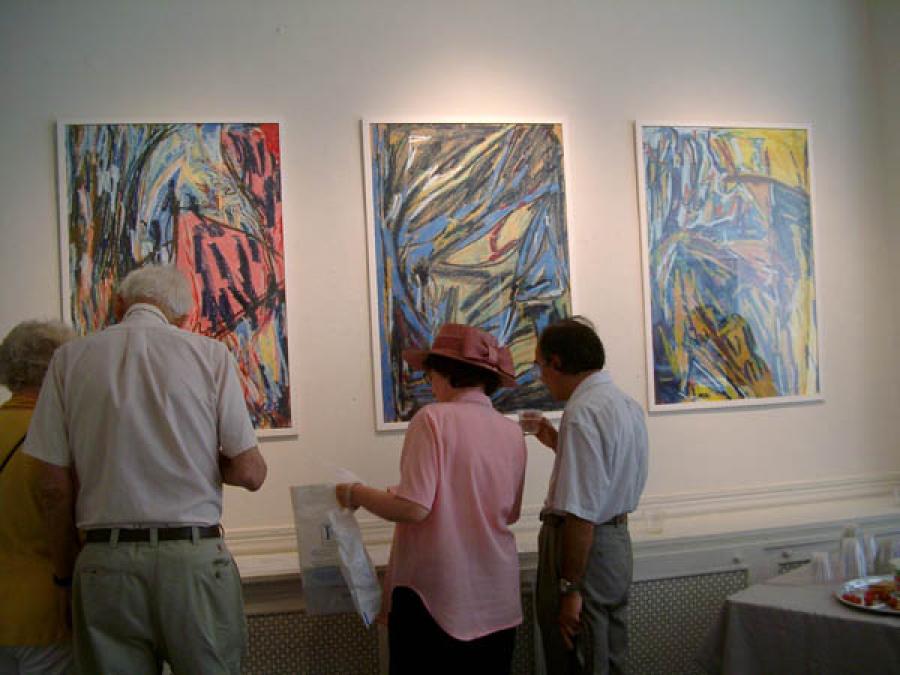
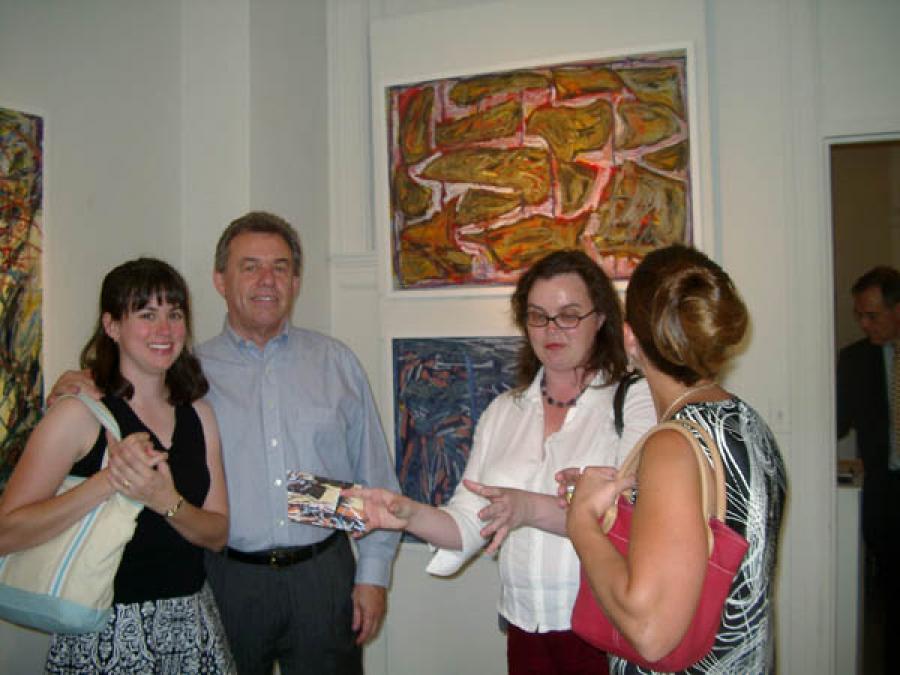
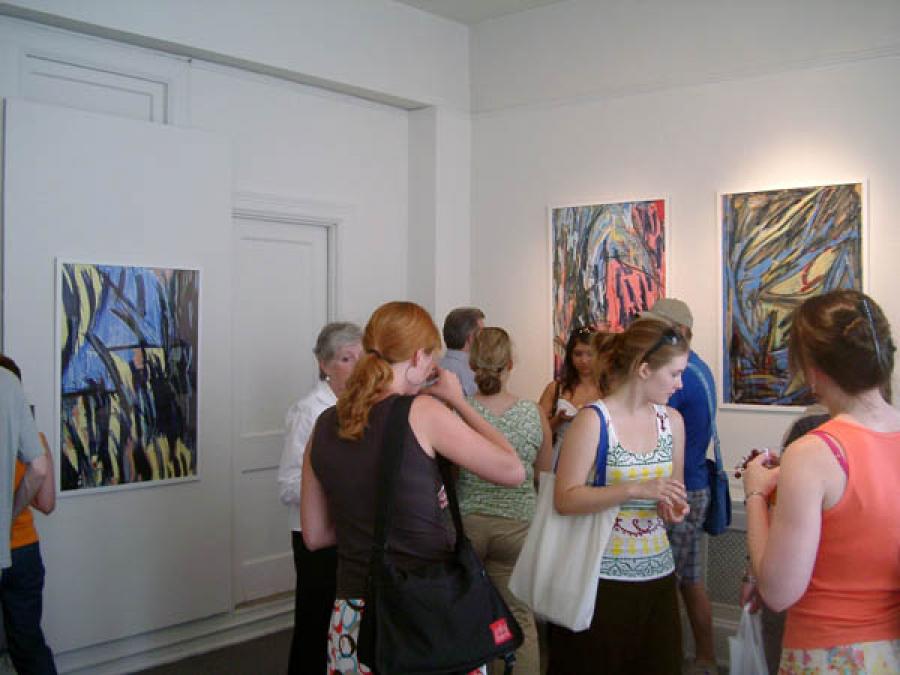
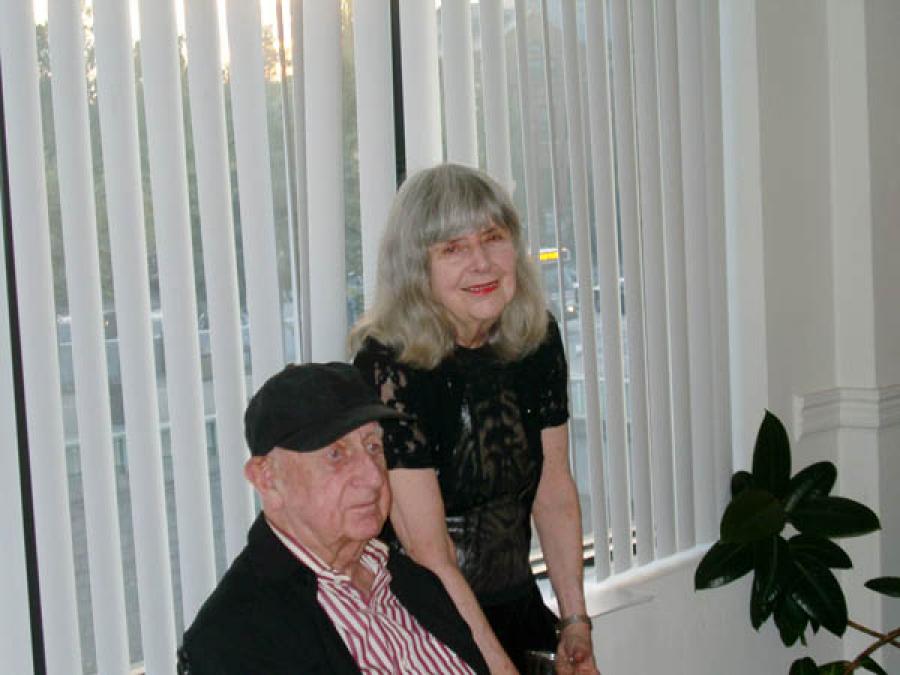
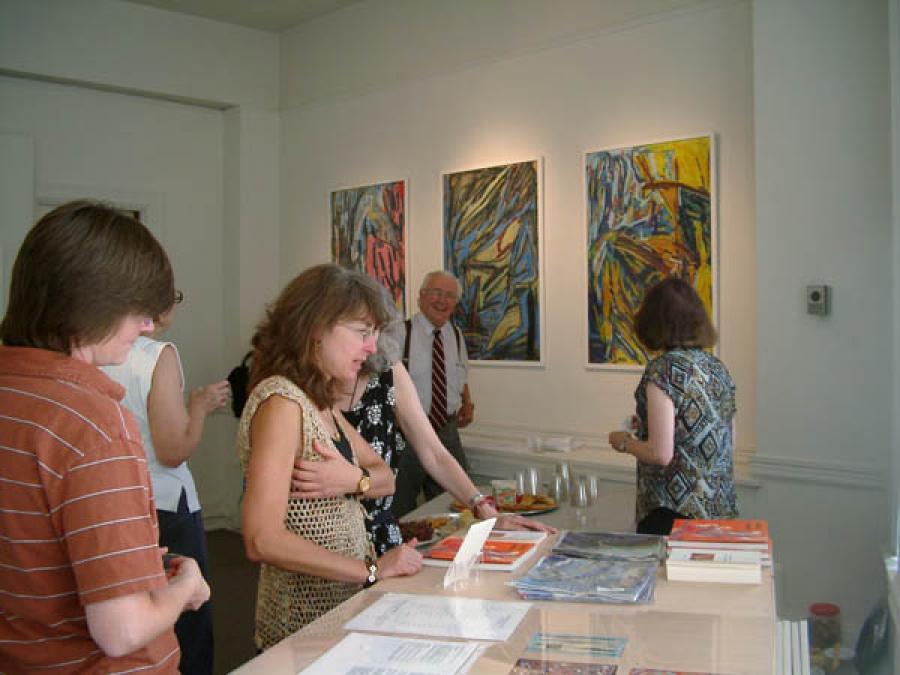
La Gallery Ten, située à Dupont Circle a offert durant 36 ans l’opportunité à des artistes locaux, nationaux ou internationaux de montrer leur travail.
C’est un lieu d’exposition situé au premier étage d’un immeuble en briques rouge, tenu par les artistes pour exposer leurs œuvres ainsi que celles d’autres artistes invités.
Les responsables Mary Virginia Langston et Maxime Campbell ont tout de suite apprécié la peinture d’Henry Dancer.
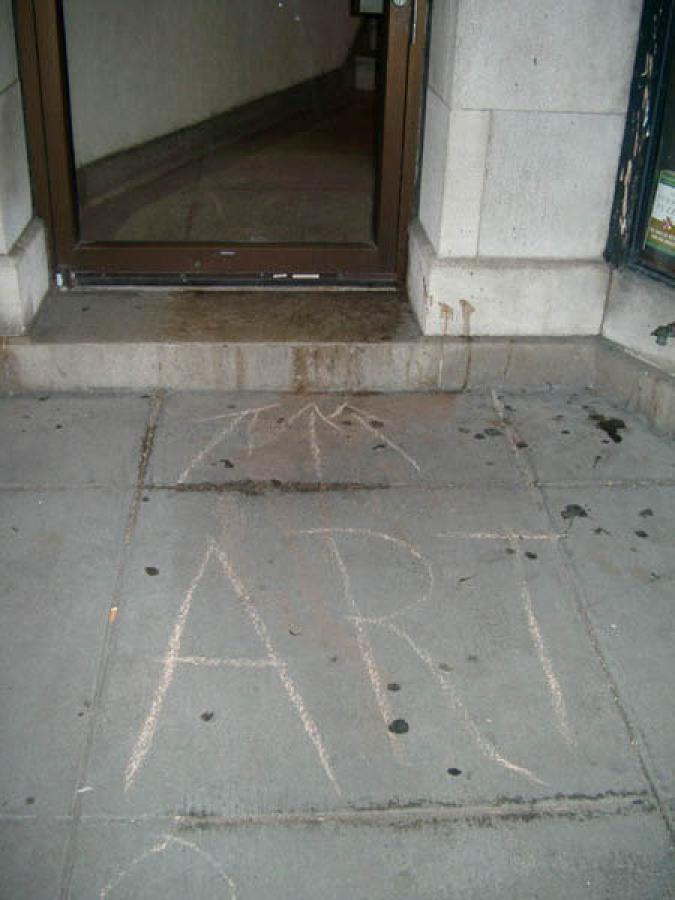
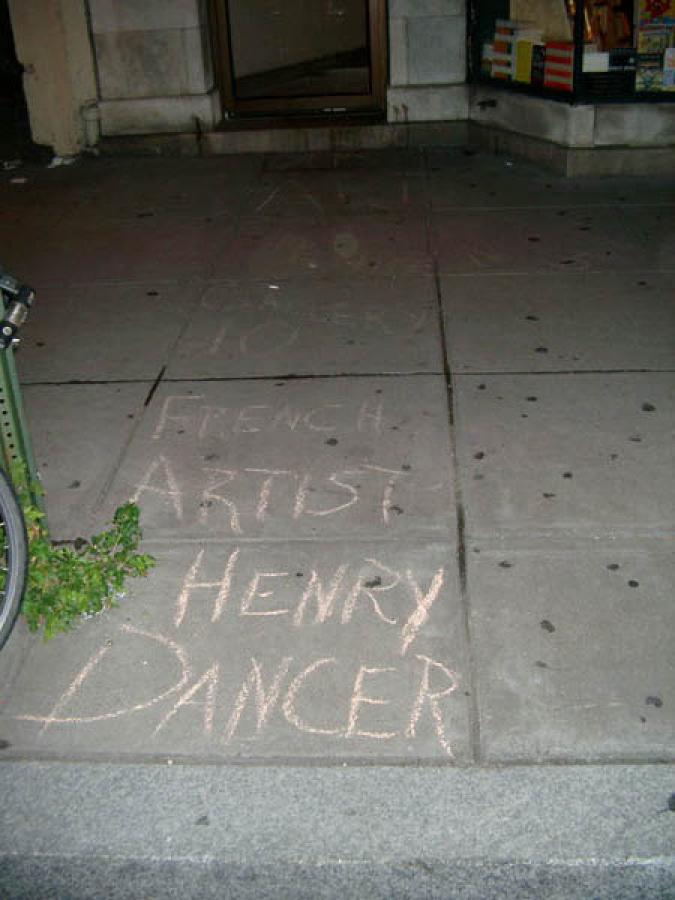
J’ai été très touchée le soir du vernissage de voir inscrit à la craie sur le trottoir :
« Henry Dancer, a French gestual painter »
La galerie a ensuite changé de local et s’est installée à Tenleytown sur Wisconsin Avenue.
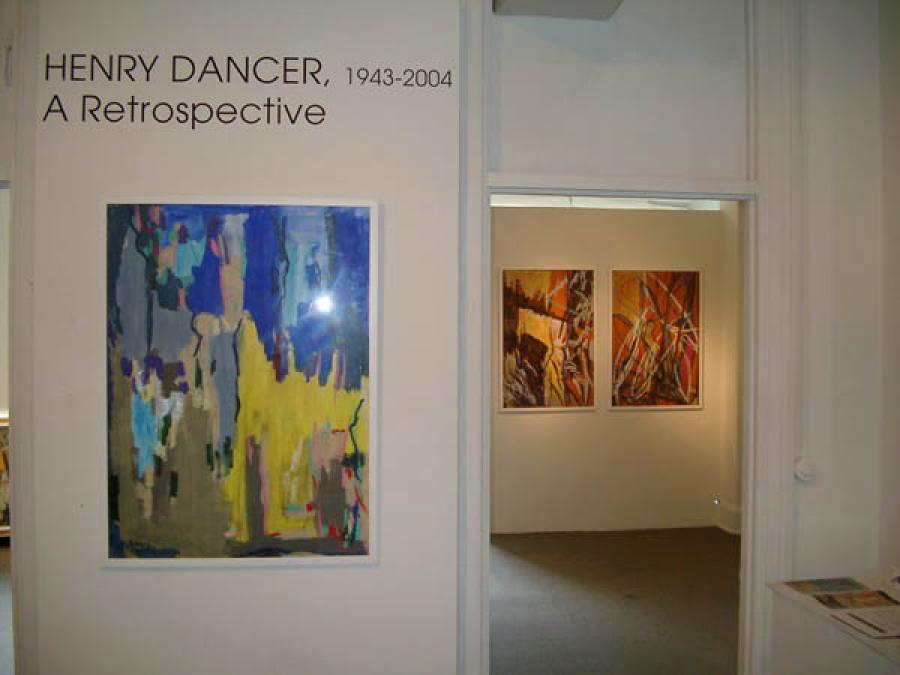
Cet article est paru dans le journal “The Geortowner” le 23/08/2006 pour l'exposition Henry Dancer à la Gallery Ten à Washington DC, USA.
“La peinture d'Henry Dancer, c'est la suite de l'oeuvre de Kandinsky!”, disait John Blee
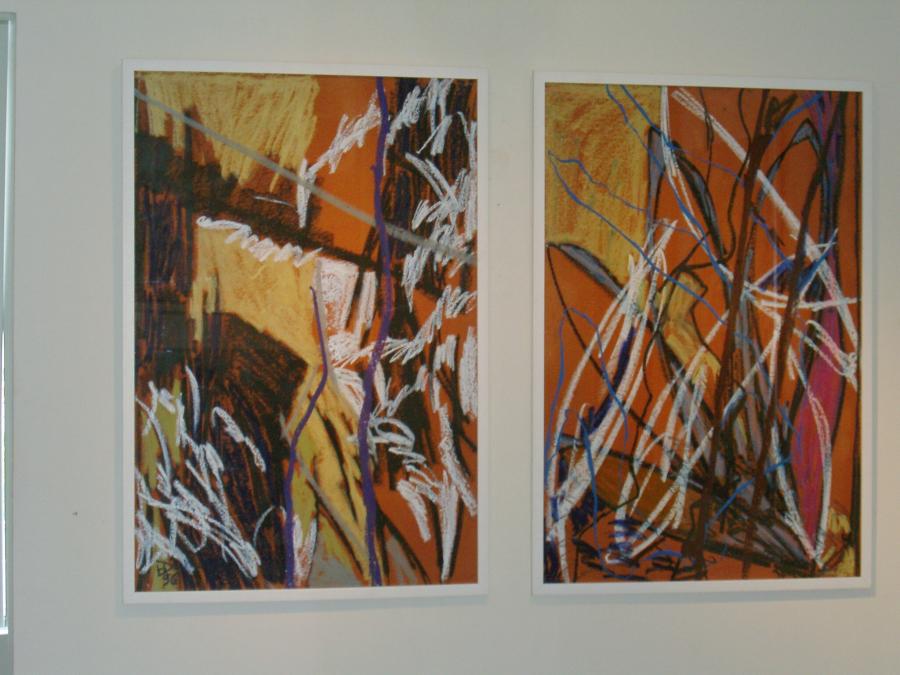
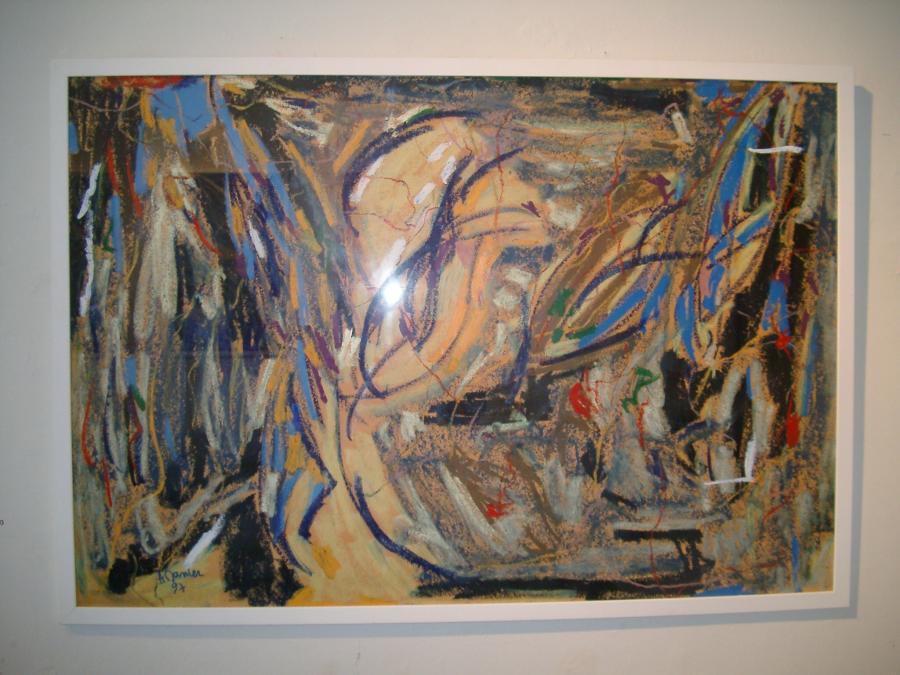
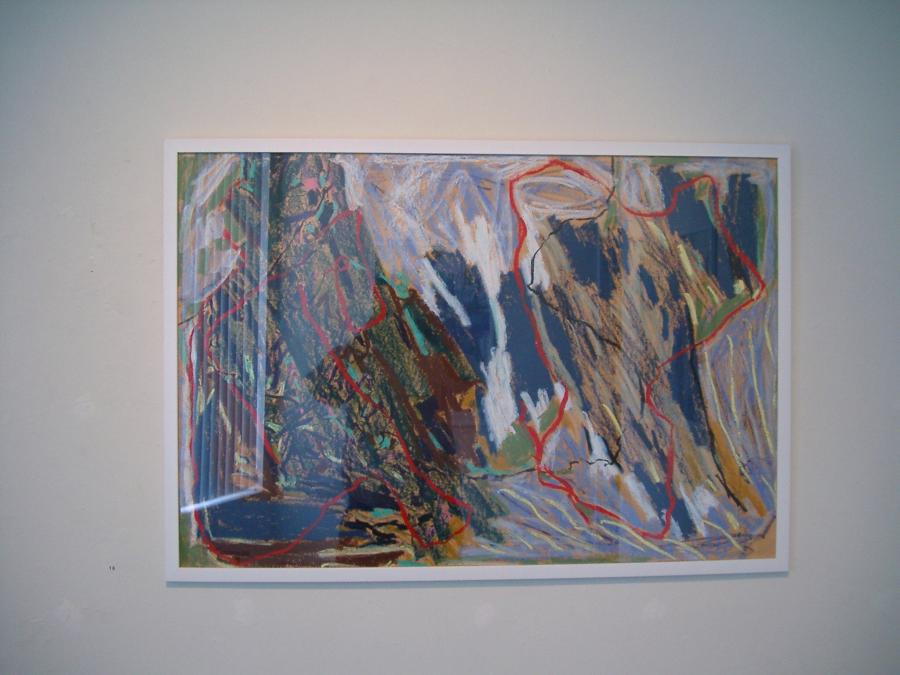
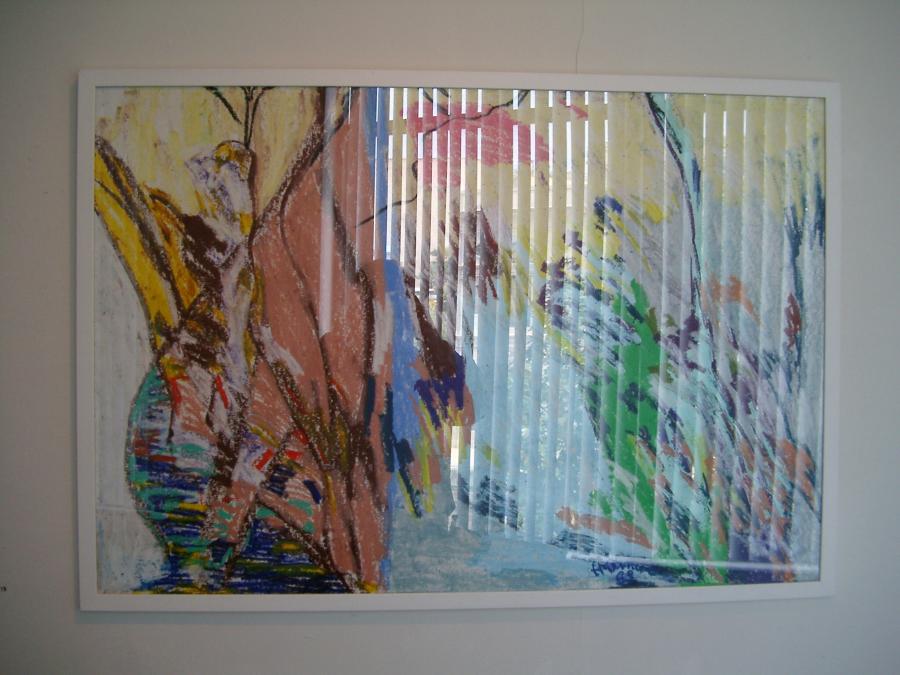
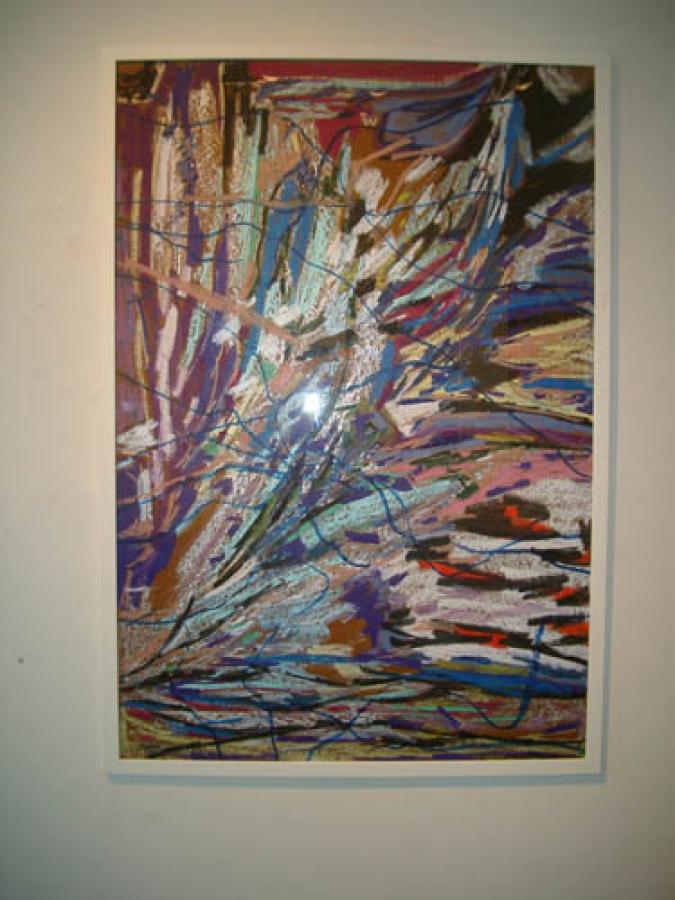
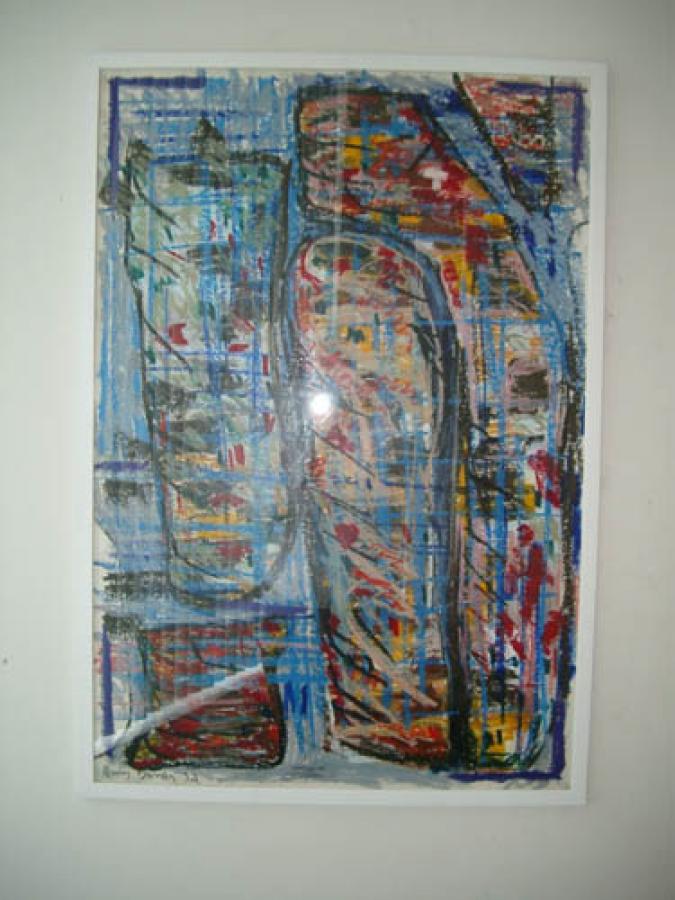
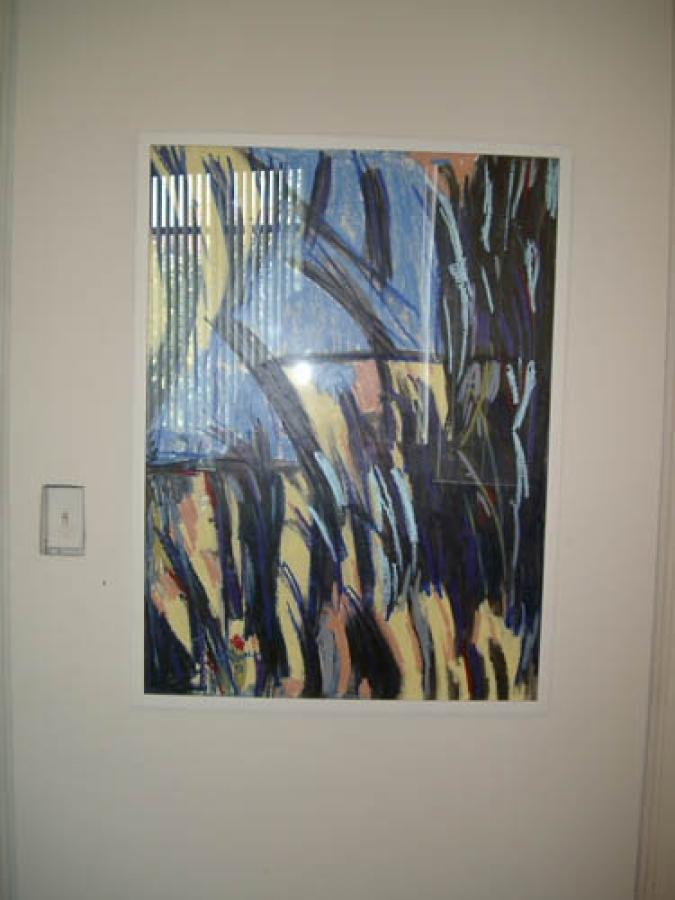
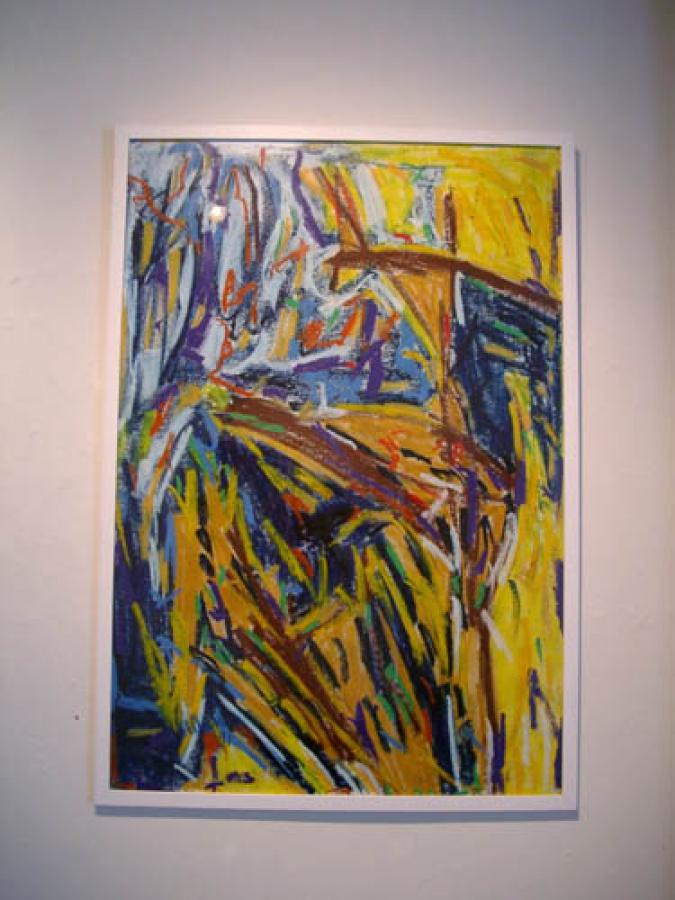
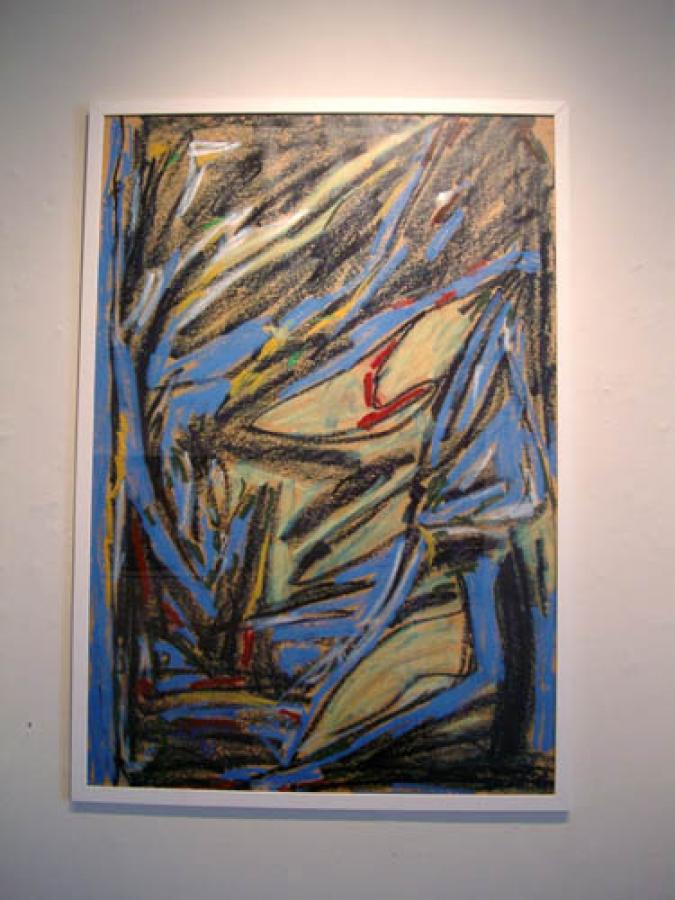
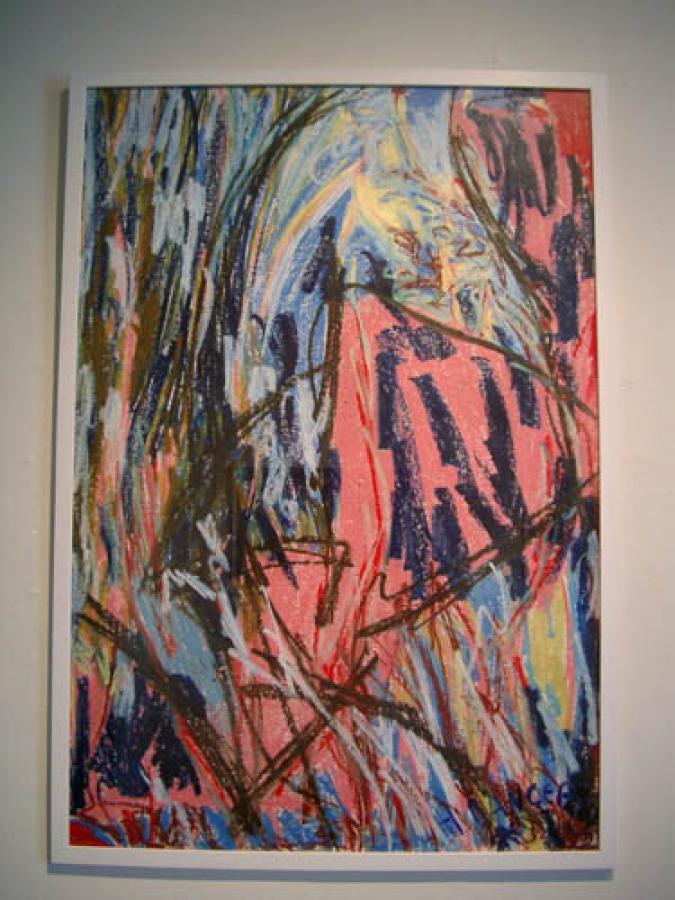
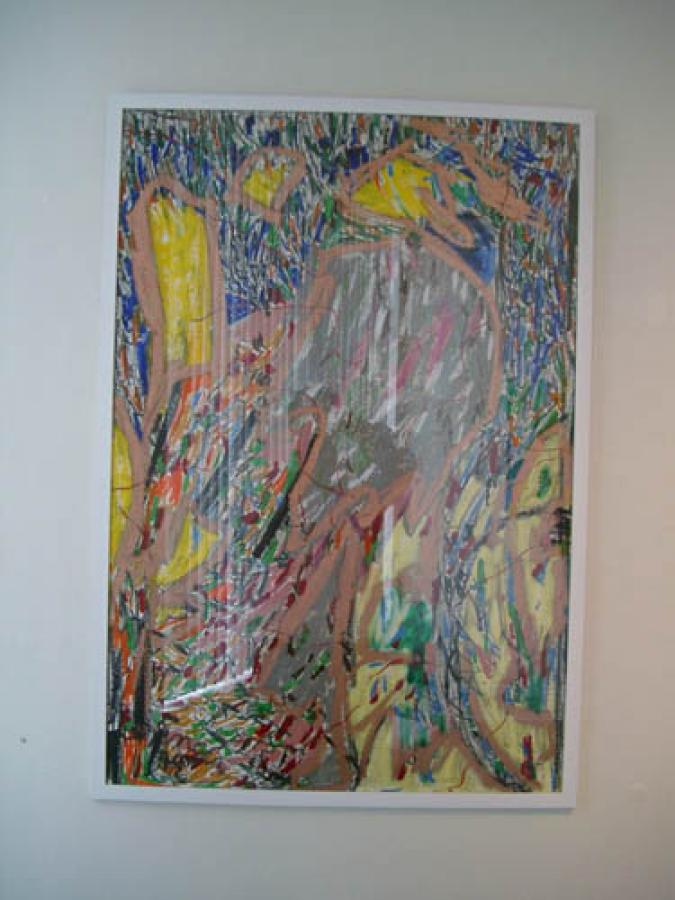
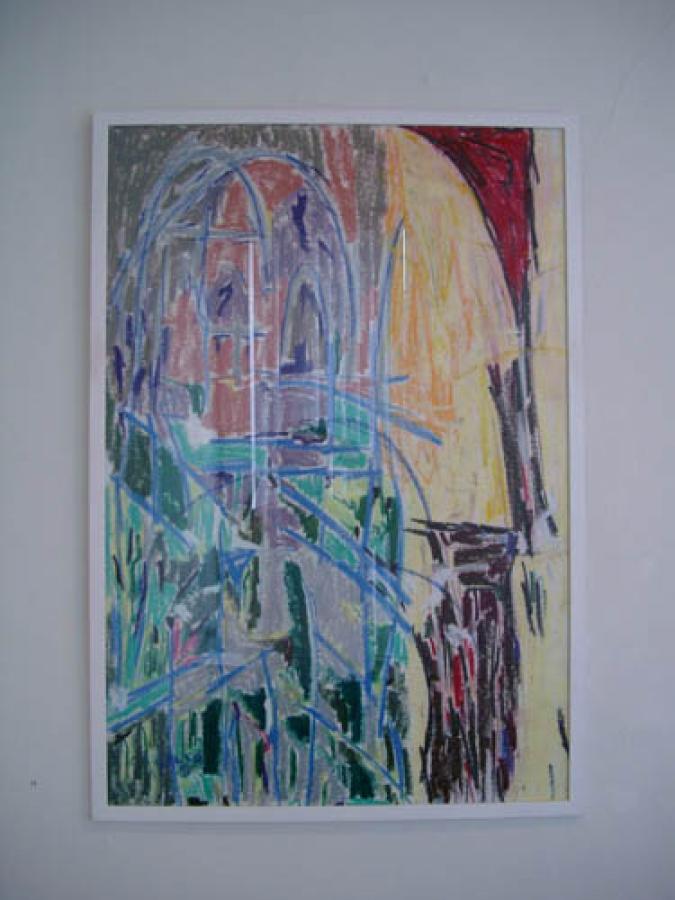
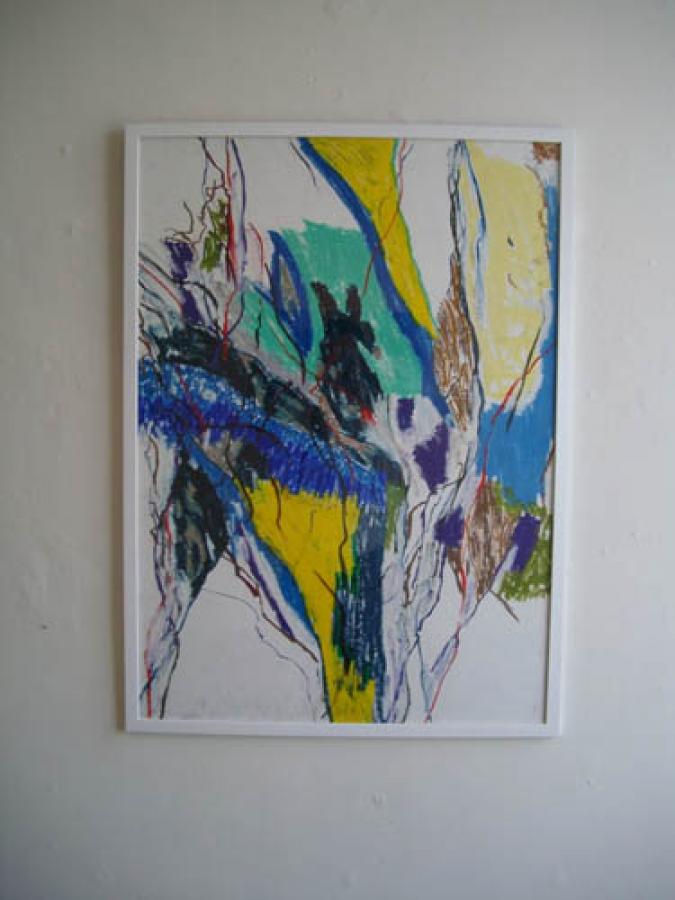
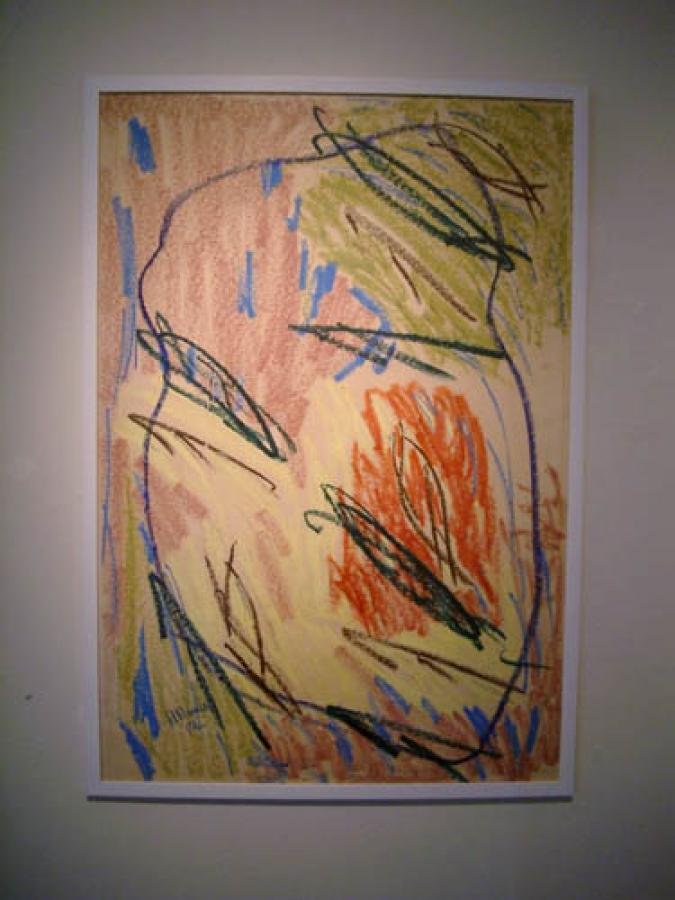
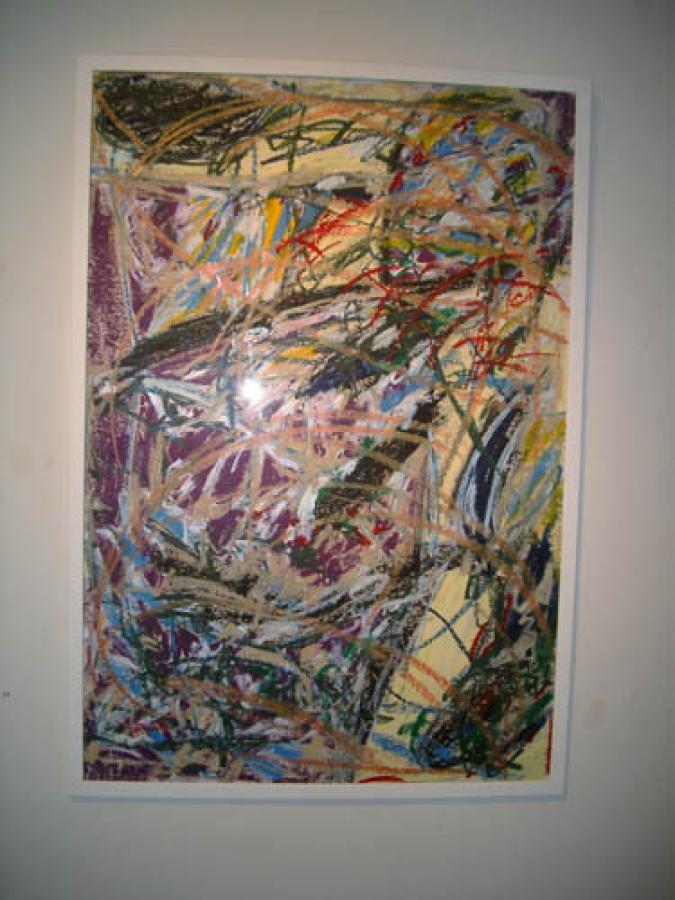
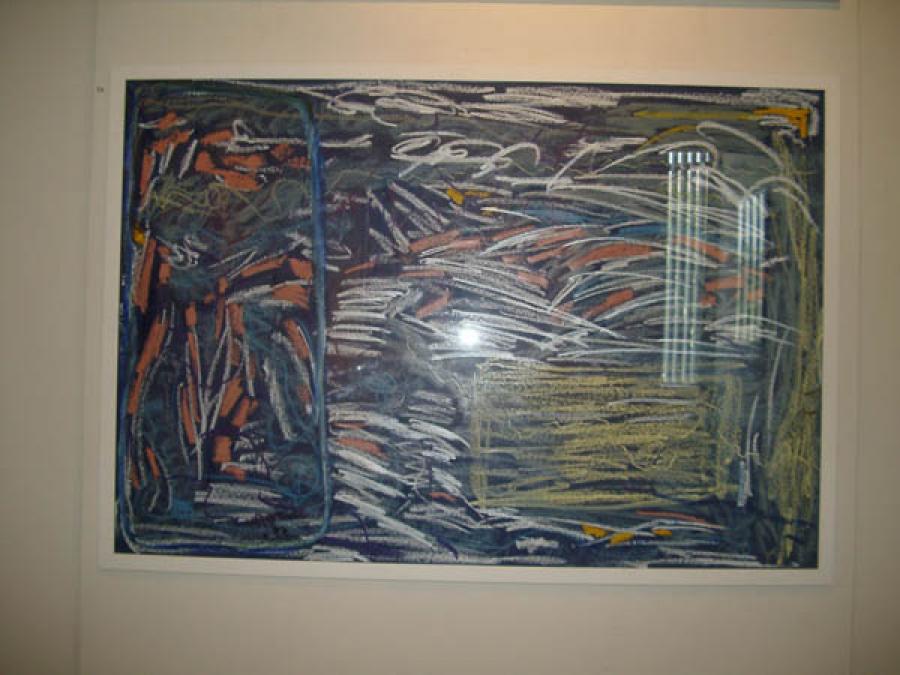
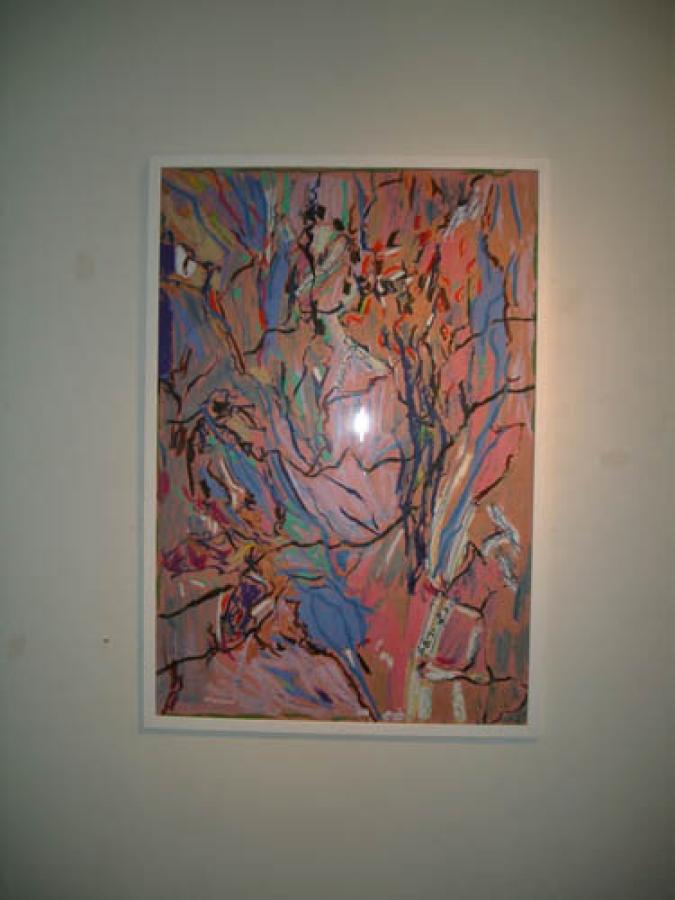
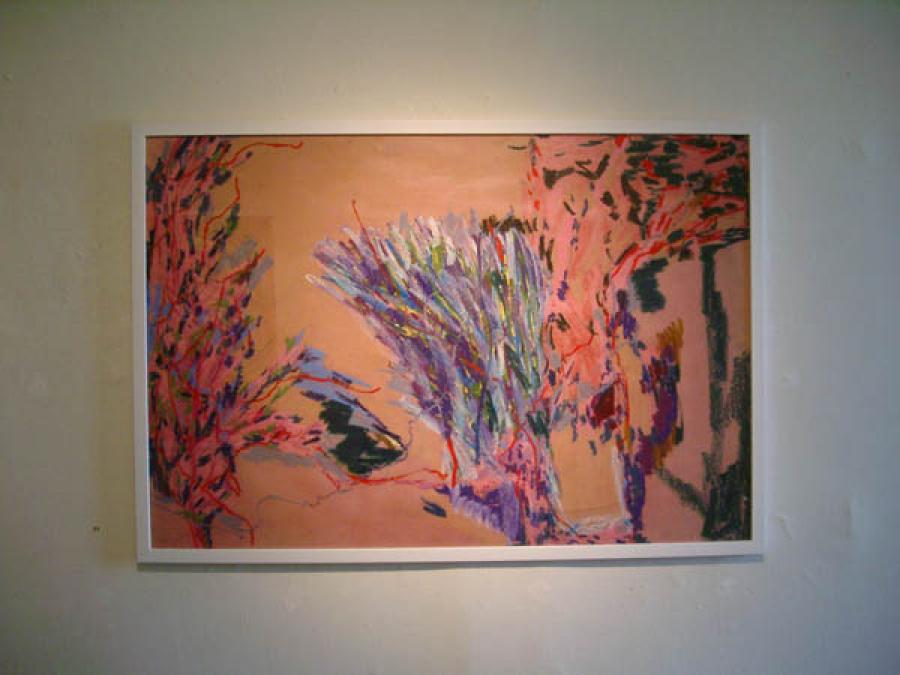
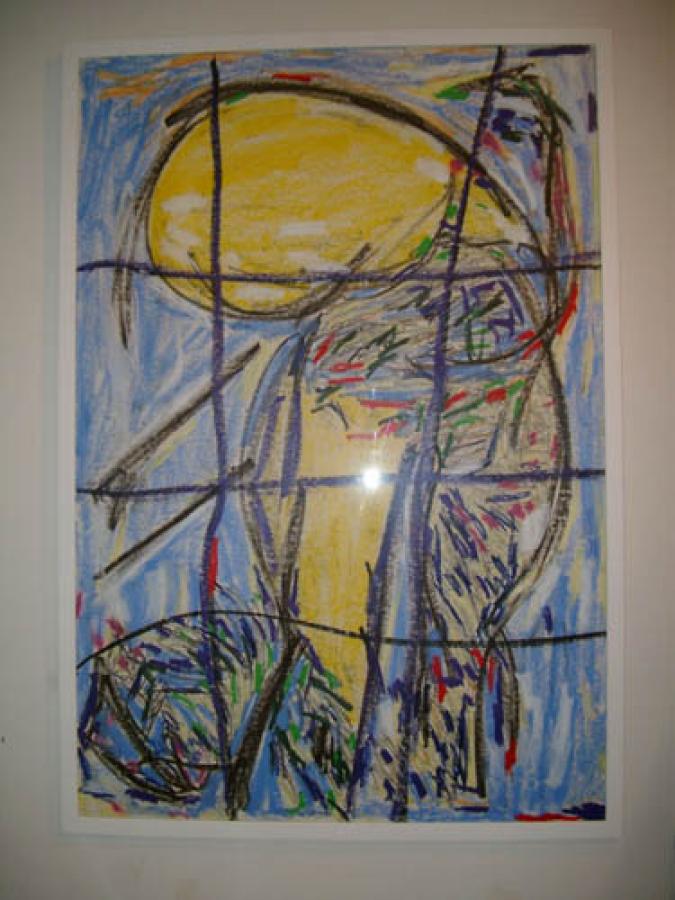
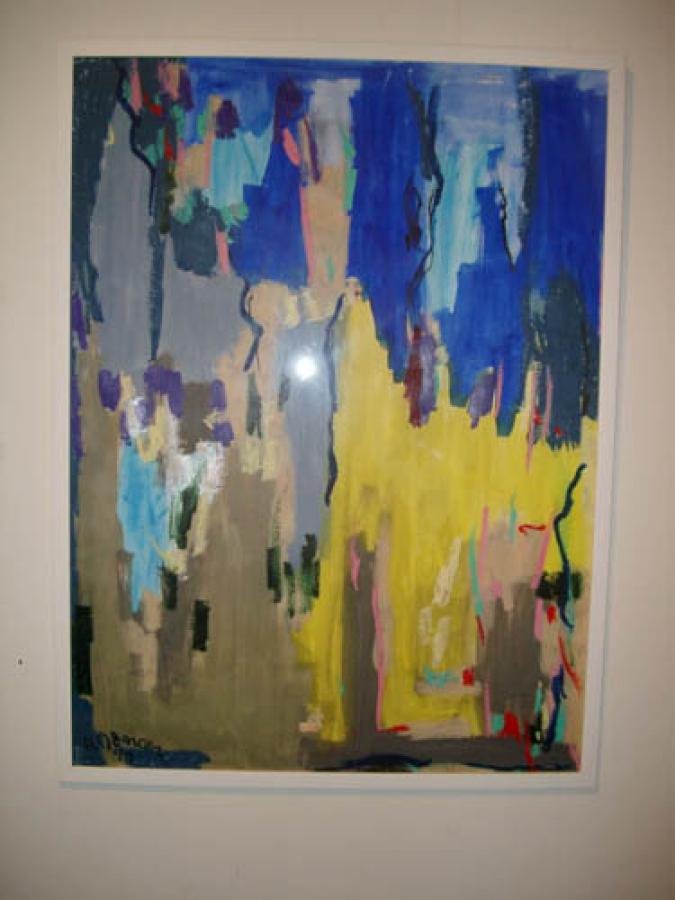
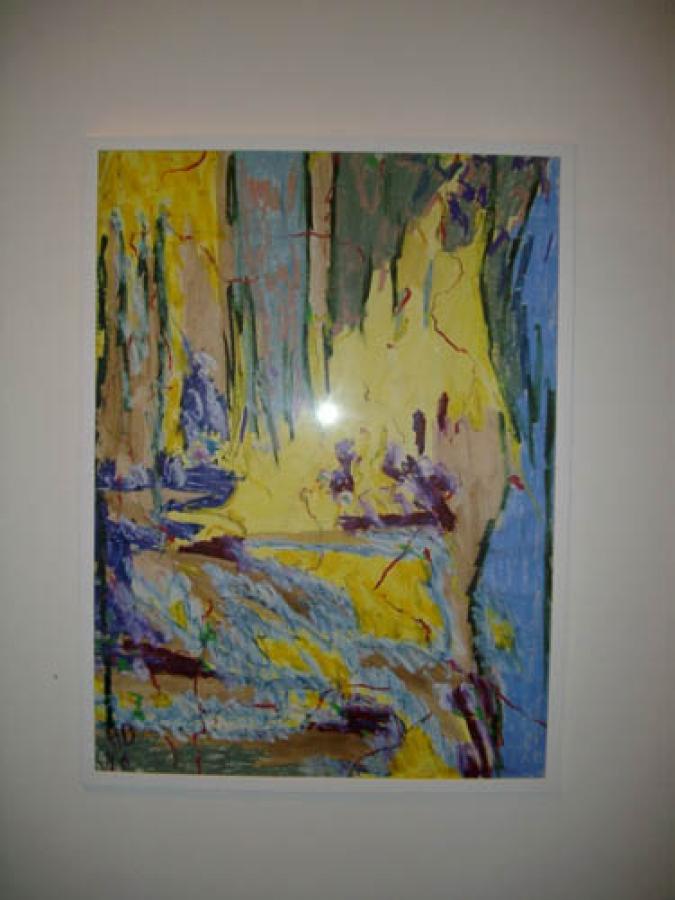
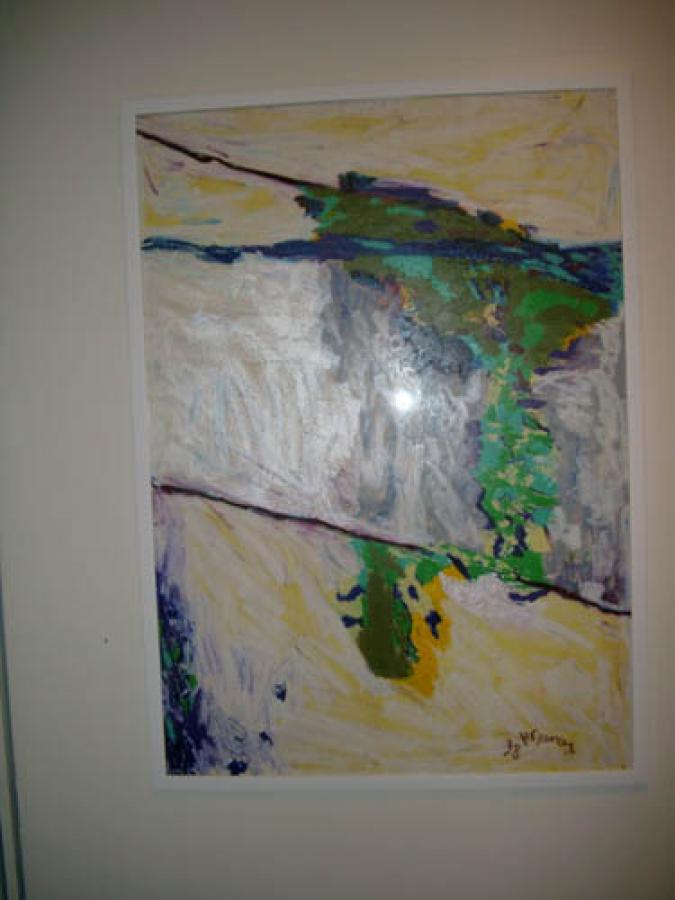
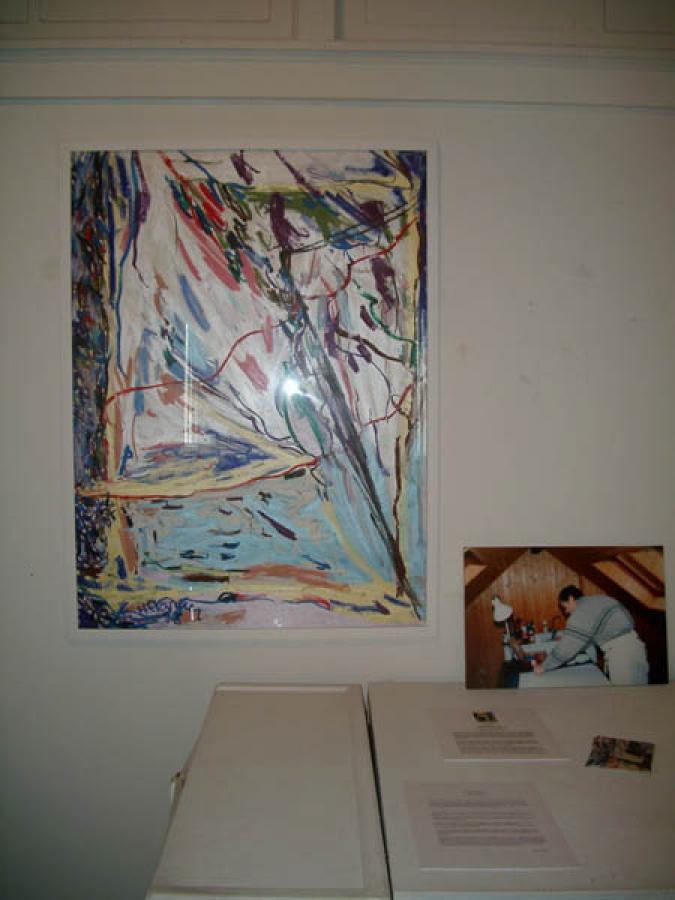
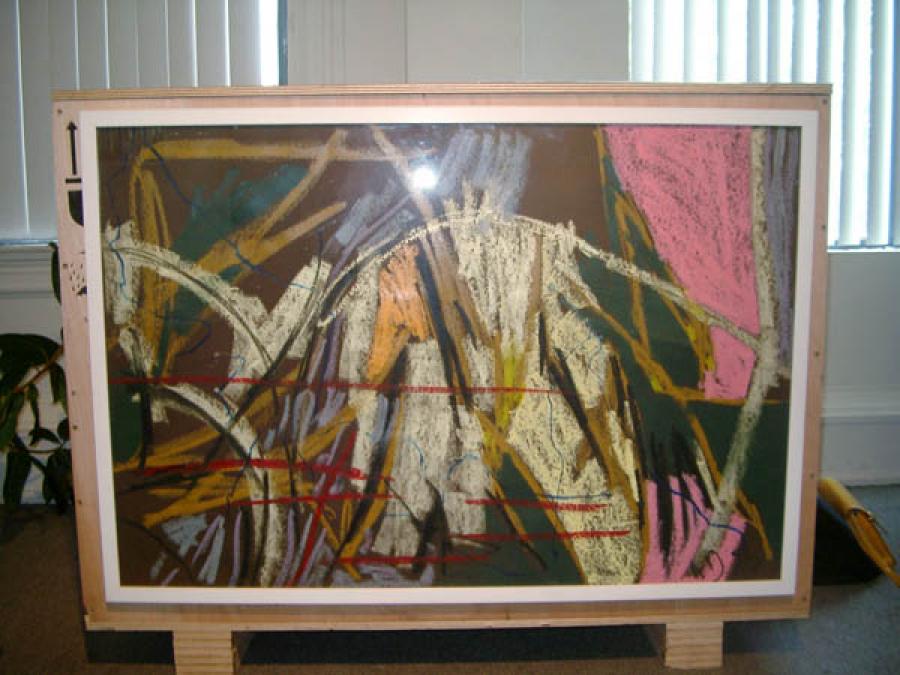
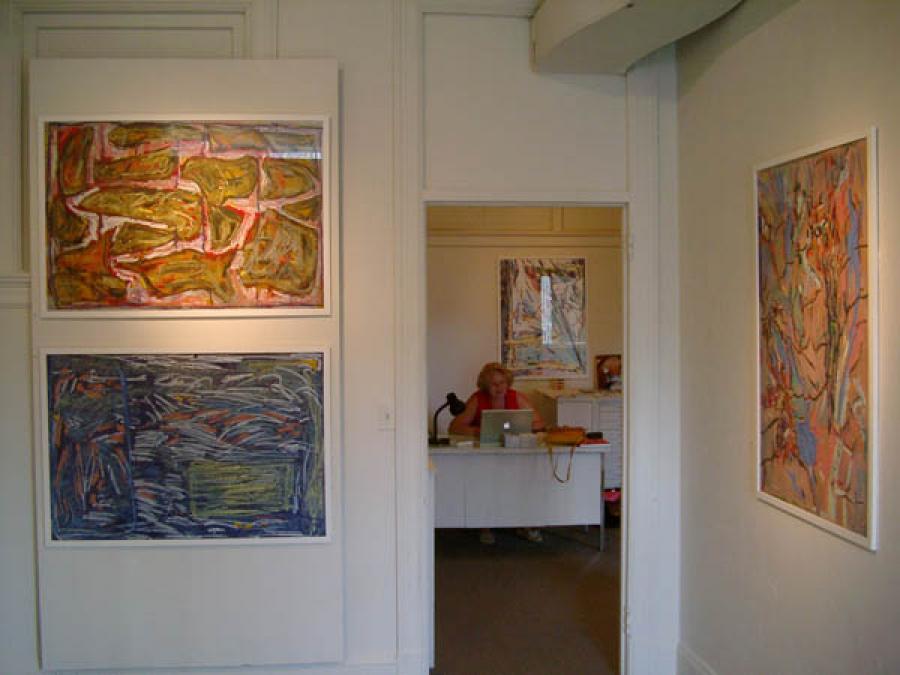
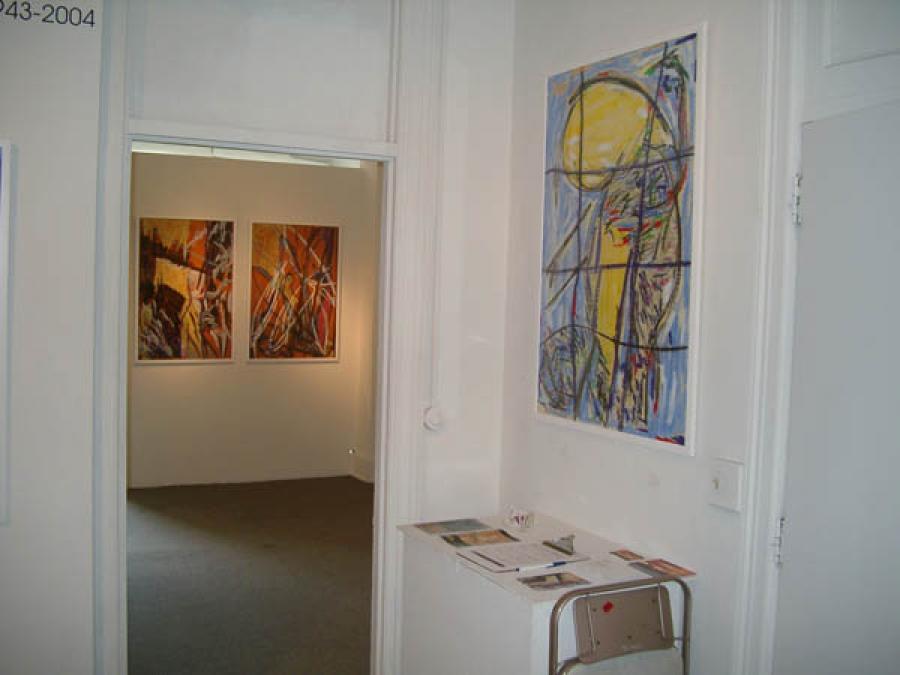
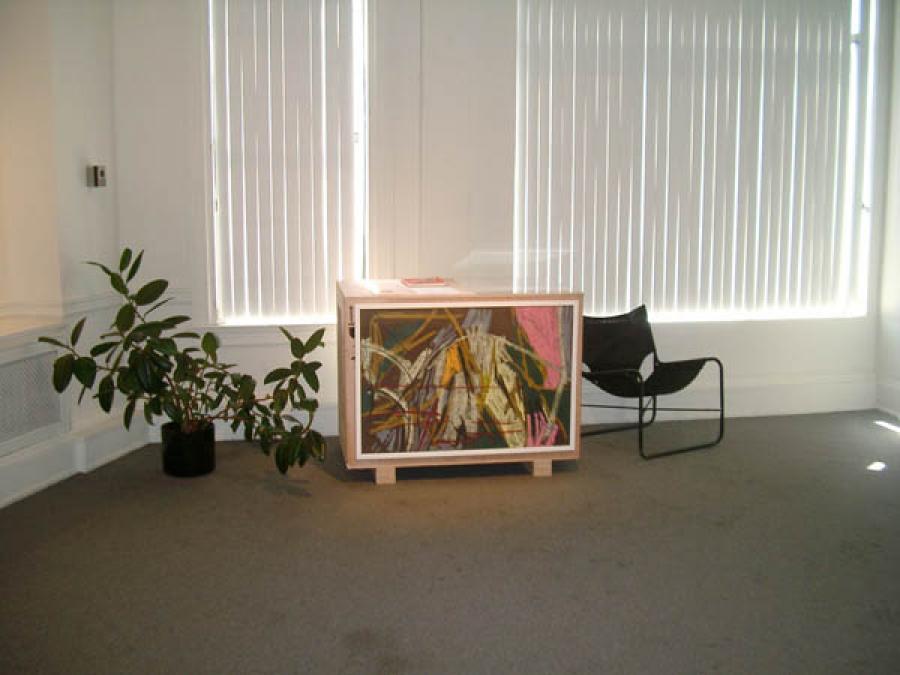
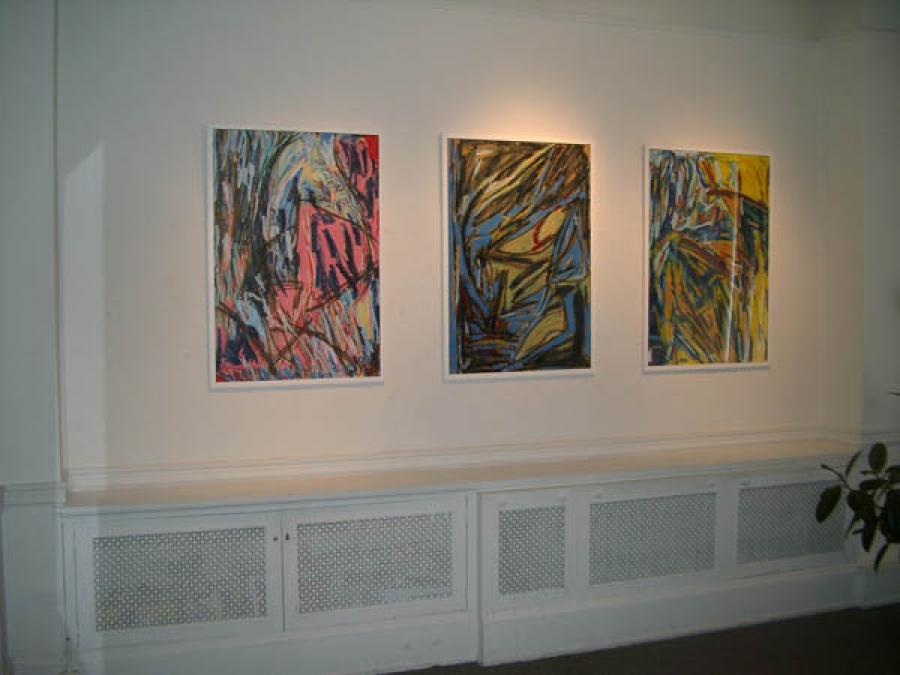
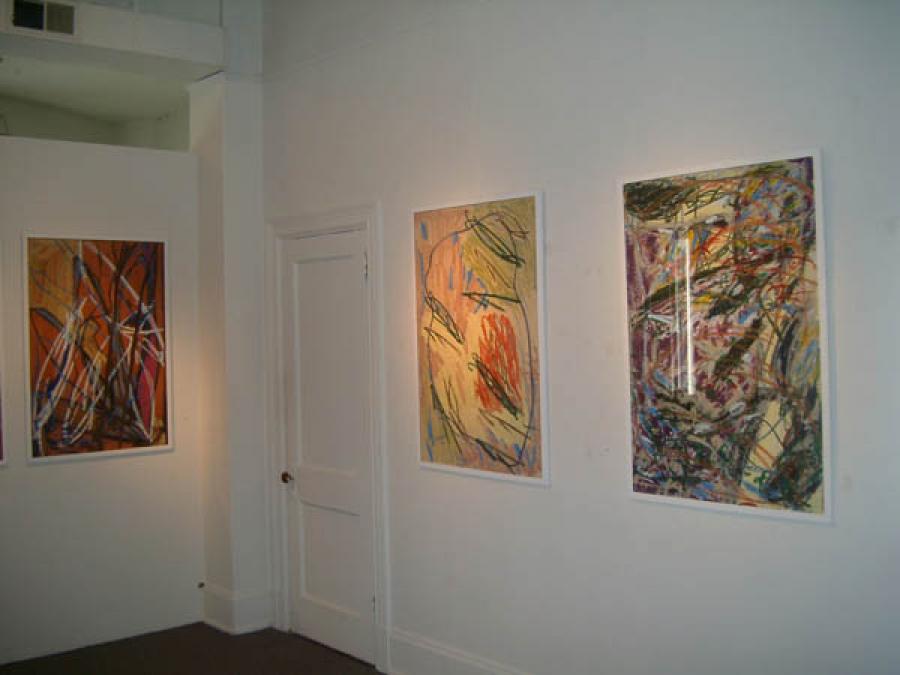
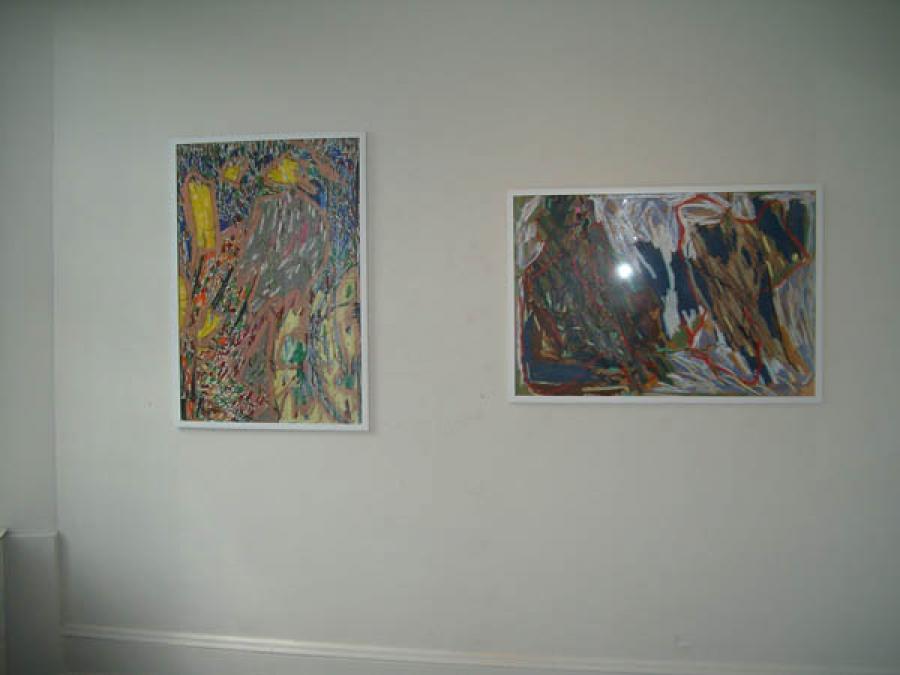
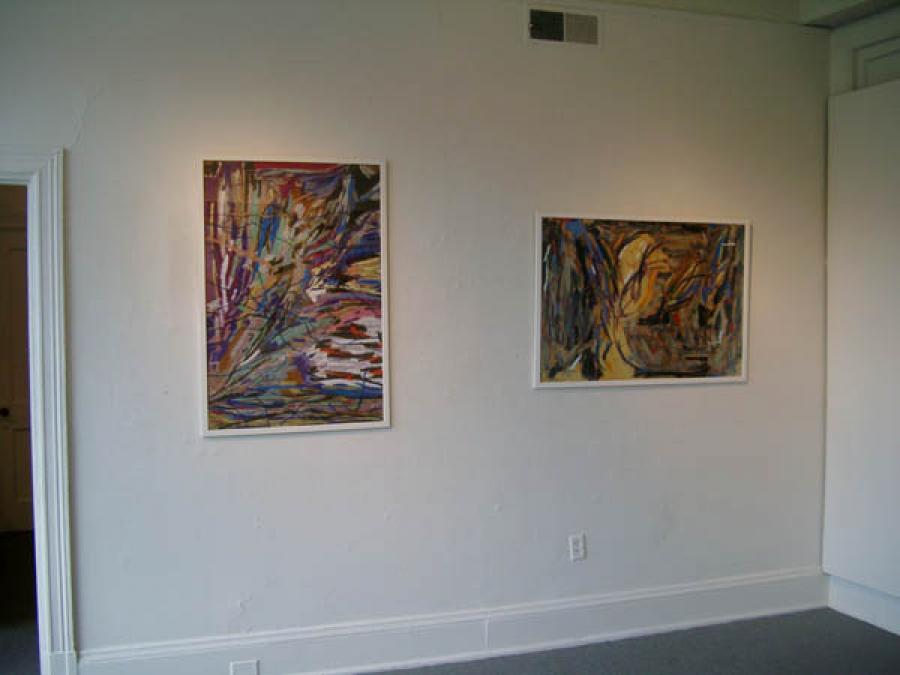
At Gallery 10 (1519 Connecticut Ave, NW, Wednesday – Saturday, 11 am – 5 pm) is a retrospective of expressionist works by the late French psychoanalyst, Henry Dancer. Dancer’s work is curiously almost Blue Rider in feel, although with more of a southern light. One thinks of the early Kandinsky, on the verge of abstraction, but still with obvious landscape reference. An insistent rhythm is a main quality of these works. It has been pointed out that to really be a connoisseur of painting one has to be a graphologist. In Dancer’s works it the writing in the brushwork that conveys the subject and finally convinces.
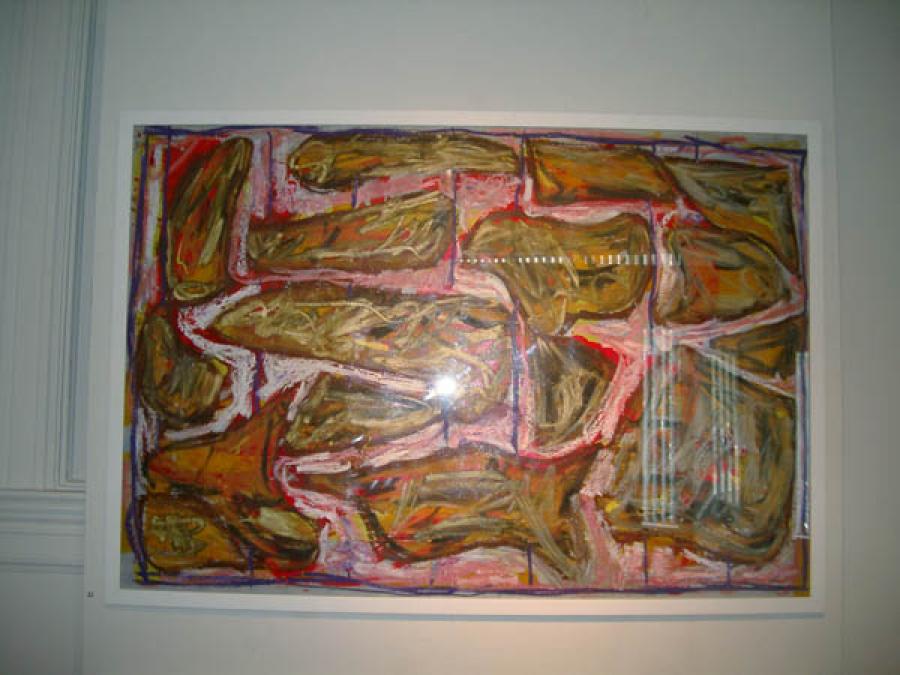
Dancer as psychoanalyst, struggling with the inner demons of others, had to have struggled with his own. In his work one feels that struggle. In “Les Viandes #23” there is suggestion of mountains, glaciers, rocks, fissures, but it is a fissuring of the psyche. Dancer’s work can be more decorative as in “Lascaux #9.” His work is never merely about the materials that he uses (watercolor, gouache, both dry and oil pastel) that are fully mastered and transformed. It is the undercurrent of the psychic drama that takes over. However in the formal resolution of the pieces, there is catharsis, and rest.
All the works are on paper and seem to have been created by rubbing against a grainy surface, possibly a stucco wall, or the rough side of masonite. This creates an atmospheric quality that is like the accompaniment of a tambura in classical Indian music. There is a landscape feeling in all the work, and even though there is a certain darkness, the works are created against a ground of light.
Individual pictures break out on their own, as “Les Viandes #25.” It is biomorphic and almost bloody, beautiful in its fight with the edge. “Deux Bandes #15” is appealing with an open quality of space. And “Les Viandes #24” is diagrammatic, flatter, and quieter. All the works have seriousness and passion in their making. (Through August 26.)
John Blee